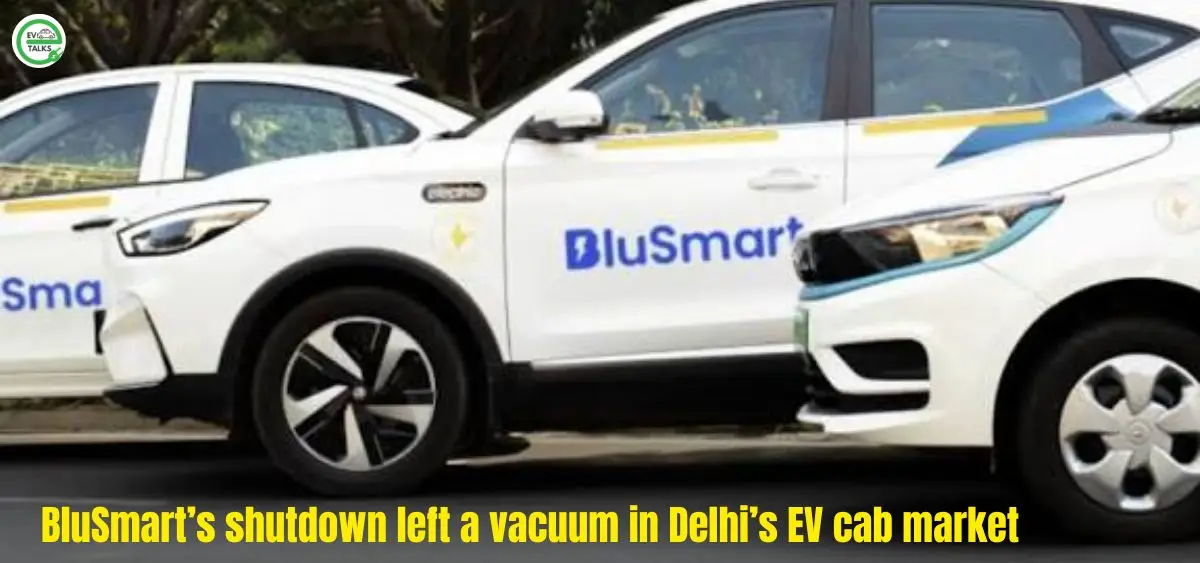

BluSmart’s shutdown has left a significant void in Delhi-NCR’s premium electric vehicle (EV) cab market, and more than a year later, no company has successfully replaced the service that thousands of daily commuters once relied on. While startups, fleet operators, and established ride-hailing platforms have attempted to capture the opportunity, replicating BluSmart’s highly dependable business model has proven far more difficult than expected.
For many users, the impact remains personal. Regular commuters who once booked rides without worrying about cancellations or delays now find themselves returning to traditional ride-hailing platforms that often struggle to provide the same level of consistency.

Why BluSmart Became the Preferred Choice
Unlike conventional ride-hailing platforms that connect passengers with independent drivers, BluSmart operated a fully managed fleet. The company owned its electric vehicles, employed drivers on fixed salaries, and controlled scheduling, allowing it to deliver a reliable, zero-cancellation experience.
This operational model made BluSmart especially popular for airport transfers, office commutes, and long-distance travel across Delhi, Gurgaon, and Noida. Even after BluSmart’s shutdown, many customers continue to miss the convenience of bookings and dependable arrivals rather than simply the use of electric vehicles.
Challenges Preventing New Competitors from Filling the Gap
Although the market opportunity is substantial, replacing BluSmart is not straightforward.
One of the biggest challenges is operational control. Most ride-hailing companies depend on freelance drivers who own their vehicles, making cancellations and inconsistent service more common. Matching BluSmart’s centrally managed fleet requires significant investment and operational expertise.
Charging infrastructure is another major obstacle. Operating thousands of EVs efficiently requires large-scale fast-charging stations across Delhi-NCR, demanding heavy upfront investment that many startups cannot afford.
Additionally, industry experts believe that building and maintaining a company-owned EV fleet requires long-term financial backing. While commuters are willing to pay premium fares for dependable service, achieving profitability with such a capital-intensive model remains difficult.
What Led to BluSmart’s Collapse?
The downfall of the company followed regulatory investigations into its financial practices. In early 2025, the Securities and Exchange Board of India (SEBI) barred the company’s co-founders from participating in the securities market after allegations that hundreds of crores raised for purchasing electric vehicles through Gensol Engineering were diverted for personal expenses.
Following the investigation, investor confidence weakened rapidly, funding dried up, and insolvency proceedings were initiated before the National Company Law Tribunal (NCLT). The company’s EV fleet was later sold in the second-hand market at heavily discounted prices, while its structured driver training programs, including initiatives supporting women drivers, came to an end.
What Lies Ahead for Delhi’s EV Cab Market?
Today, BluSmart’s shutdown continues to reshape Delhi-NCR’s ride-hailing landscape. While established platforms are expanding EV offerings and experimenting with fleet partnerships, none have recreated the reliability that made BluSmart stand out.
As competition intensifies, commuters remain without a premium, predictable electric cab service. Whether a new startup or an existing mobility company can successfully bridge this gap will likely depend on its ability to combine operational control, strong financial backing, and extensive charging infrastructure—three factors that ultimately determined both BluSmart’s success and its downfall.

Related Articles: