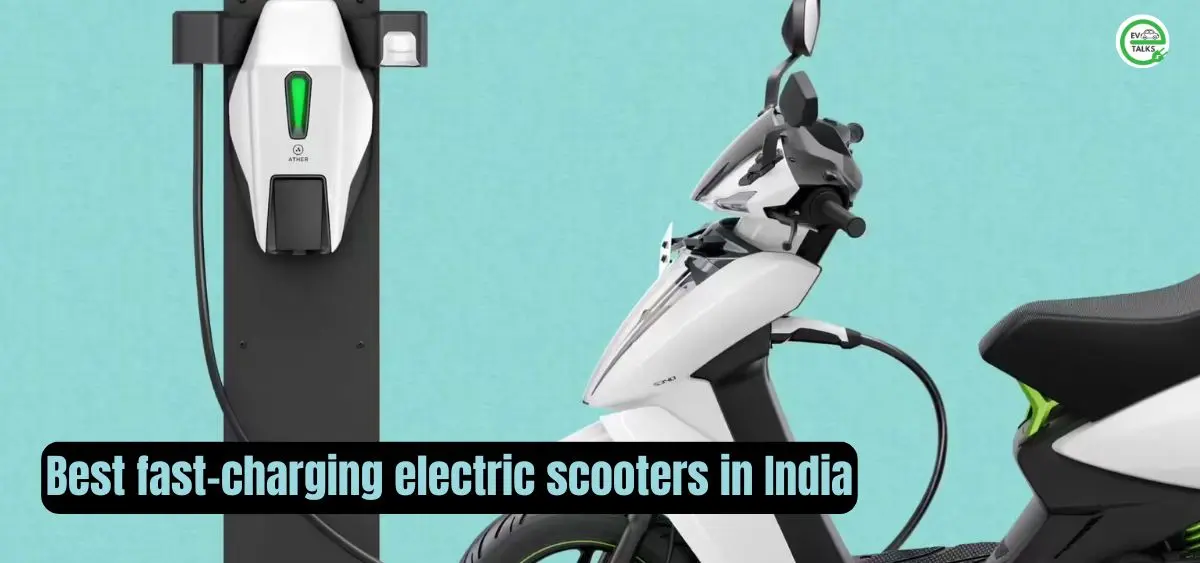

Electric scooters have evolved rapidly over the past few years, but one challenge has always concerned buyers—charging time. Thankfully, fast-charging electric scooters are changing the ownership experience by significantly reducing charging duration while making EVs more practical for everyday commuting.
Whether you’re a daily office commuter, a delivery rider, or someone looking to replace a petrol scooter, choosing an electric scooter with fast charging can save valuable time and eliminate range anxiety. Combined with India’s expanding public charging infrastructure and advancements in battery technology, today’s premium electric scooters are becoming more convenient than ever before.
In this comprehensive guide, we’ll explore the best fast-charging electric scooters in India, compare their prices, charging times, battery technologies, real-world usability, and charging costs, and provide expert buying advice to help you choose the right model.
Why Fast-Charging Matters for Electric Scooter Buyers
For most Indian riders, an electric scooter isn’t just a weekend vehicle—it’s a daily companion for office commutes, grocery shopping, school runs, and city travel. Spending six to eight hours waiting for a battery to recharge may not always fit a busy lifestyle.
Fast charging dramatically improves convenience by allowing riders to regain a significant amount of battery capacity during short breaks. Whether you’re grabbing a coffee, shopping at a mall, or stopping at a charging station, a quick recharge can add enough range to comfortably complete your journey.
The benefits become even more valuable for:
- Daily office commuters
- Fleet operators
- Food delivery riders
- Ride-sharing services
- College students
- Frequent city travelers
What Does Fast-Charging Mean for Electric Scooters?
Unlike conventional home charging, fast charging uses higher power output chargers specifically designed to safely deliver more electricity to the battery within a shorter period.
Most electric scooters in India generally support one of three charging methods:
| Charging Type | Typical Charging Time | Best Use Case |
|---|---|---|
| Standard Home Charging | 4–8 hours | Overnight charging |
| Portable Fast Charger | 2–4 hours | Home and office use |
| Public DC/Rapid Charging | 15–90 minutes (model dependent) | Long-distance or quick top-ups |
Rather than charging the battery completely every time, many riders prefer topping up from 20% to 80%, which is both quicker and healthier for lithium-ion batteries over the long term.
How Fast-Charging Technology Works
Modern electric scooters rely on advanced Battery Management Systems (BMS) to safely control power flow during charging.
The charging process typically involves:
- Battery temperature monitoring
- Intelligent voltage regulation
- Cell balancing
- Thermal management
- Automatic charging slows down after approximately 80%
This intelligent process protects battery health while allowing significantly faster charging compared to conventional charging systems.
Today’s premium scooters increasingly use the following:
- Lithium-ion batteries
- LFP (Lithium Iron Phosphate)
- NMC battery chemistry
- Smart battery diagnostics
- Cloud-connected charging management
Benefits of Fast-Charging Electric Scooters
Choosing a fast-charging electric scooter offers advantages beyond simply reducing charging time.
1. Less Waiting Time
The biggest advantage is obvious—you spend more time riding and less time waiting.
2. Easier Daily Commuting
Even if you forget to charge overnight, a quick charging session during lunch or at work can provide sufficient range for the remainder of the day.
3. Reduced Range Anxiety
Knowing you can quickly recharge during emergencies gives riders greater confidence for longer journeys.
4. Better Fleet Efficiency
Businesses operating delivery fleets benefit enormously because scooters can return to service much sooner.
5. Improved Public Charging Experience
As India’s charging infrastructure expands, fast-charging scooters become increasingly practical for intercity and high-mileage users.
Challenges of Fast Charging
Although fast charging is extremely useful, buyers should understand its limitations.
Charging Infrastructure Isn’t Everywhere
Fast chargers remain concentrated in major cities such as
- Delhi NCR
- Bengaluru
- Hyderabad
- Pune
- Chennai
- Mumbai
Smaller cities still rely heavily on home charging.
Battery Heat
Rapid charging naturally generates more heat. Fortunately, premium manufacturers now incorporate sophisticated cooling systems and Battery Management Systems to minimize long-term battery degradation.
Network Compatibility
Some manufacturers operate proprietary charging ecosystems, meaning riders may only be able to use chargers within that specific network for maximum charging speeds.
Top Fast-Charging Electric Scooters in India (2026)
| Scooter | Approx. Price (Ex-showroom) | Charging Time | Claimed Range | Top Speed |
|---|---|---|---|---|
| Ather 450X | ₹1.50–1.60 lakh | Rapid charging available; home charging ~4 hours | 161 km | 90 km/h |
| Vida VX2 | ₹1.10–1.40 lakh | ~60 minutes to add a significant range | 165 km | 90 km/h |
| Ola S1 Pro Gen 3 | ₹1.30–1.60 lakh | ~15 minutes adds 40–50 km (Hypercharger) | Up to 242 km IDC | 125 km/h |
| Ampere Nexus | ₹1.15–1.25 lakh | Full charge in ~3.3 hours | 136 km IDC | 93 km/h |
| Hero Vida V1 Pro | ₹1.20–1.35 lakh | 0–80% in ~65 minutes | 110 km | 80 km/h |
| TVS iQube ST | ₹1.35–1.60 lakh | ~2.5 hours (fast charging support on select variants) | Up to 212 km IDC | 82 km/h |
| Bajaj Chetak 3501 | ₹1.30–1.40 lakh | ~3–4 hours | Up to 153 km | 73 km/h |
| Simple One Gen 2 | ₹1.65 lakh (approx.) | Fast charging support | Up to 248 km IDC | 105 km/h |
| Okinawa Okhi-90 | ₹1.50 lakh | Around 5 hours | 160 km | 80 km/h |
| Okinawa PraisePro | ₹85,000–95,000 | Around 2–3 hours | 81 km | 58 km/h |
Note: Charging time, range, and prices may vary depending on battery variant, charger type, software updates, and city. Always verify the latest specifications with the manufacturer before purchasing.
Detailed Review of the Best Fast-Charging Electric Scooters
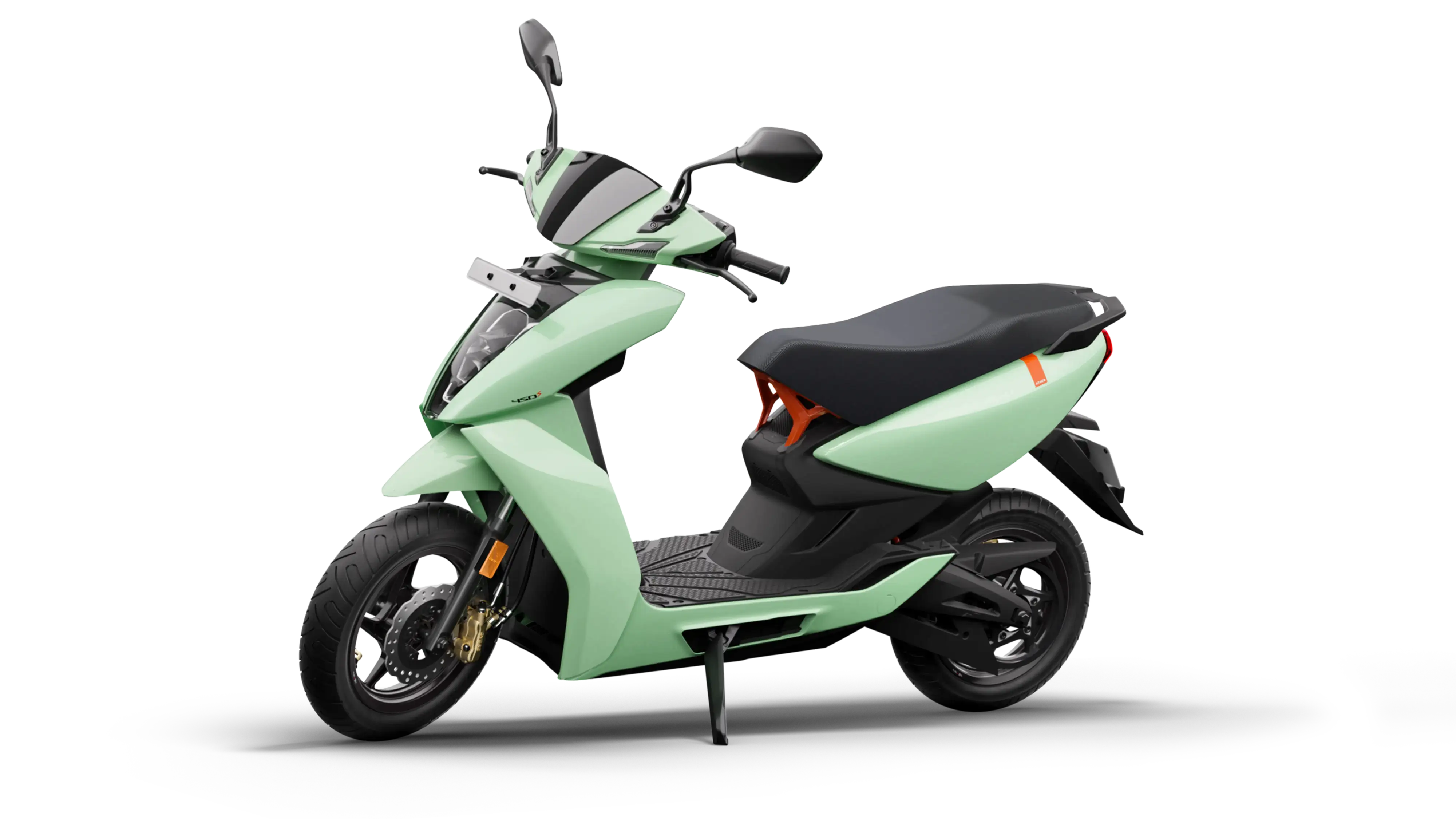
1. Ather 450X
The Ather 450X remains one of India’s benchmark electric scooters thanks to its mature software ecosystem, premium build quality, and extensive fast-charging network.
Ather’s proprietary Ather Grid has expanded across major Indian cities, enabling riders to quickly add usable range during short stops. The scooter also delivers sharp handling, intelligent navigation, OTA software updates, and one of the best riding experiences in its segment.
Highlights
- Approximate Price: ₹1.50–1.60 lakh
- Claimed Range: Up to 161 km
- Top Speed: 90 km/h
- Fast Charging: Around 15 km of range in approximately 10 minutes at compatible Grid chargers
- Best For: Urban professionals, tech enthusiasts, and premium buyers
Expert Verdict: If you prioritize software experience, charging infrastructure, and everyday reliability, the Ather 450X remains one of the strongest choices in India.
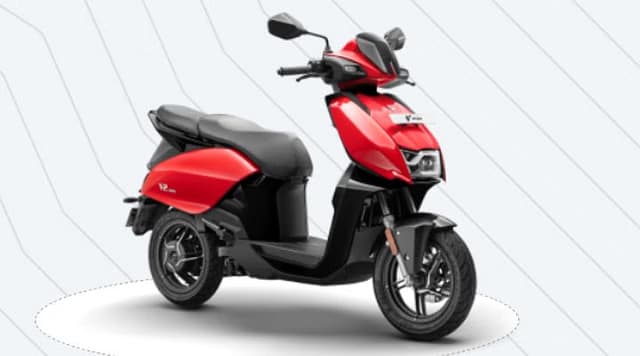
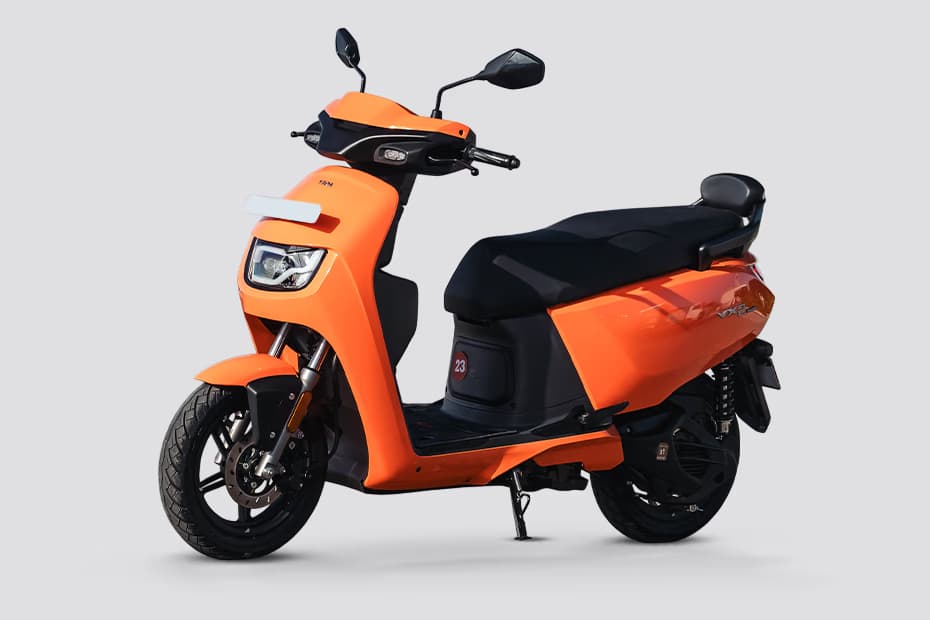
2. Vida VX2
Backed by Hero MotoCorp, the Vida VX2 offers an excellent balance of practicality, affordability, and charging convenience.
Its removable battery system makes charging easier for apartment residents, while compatible fast chargers can significantly reduce waiting times.
Highlights
- Price: ₹1.10–1.40 lakh
- Range: Up to 165 km
- Top Speed: 90 km/h
- Fast Charging: Adds substantial range in around 60 minutes
- Swappable battery options
Best suited for:
- Families
- Apartment owners
- Office commuters
- First-time EV buyers
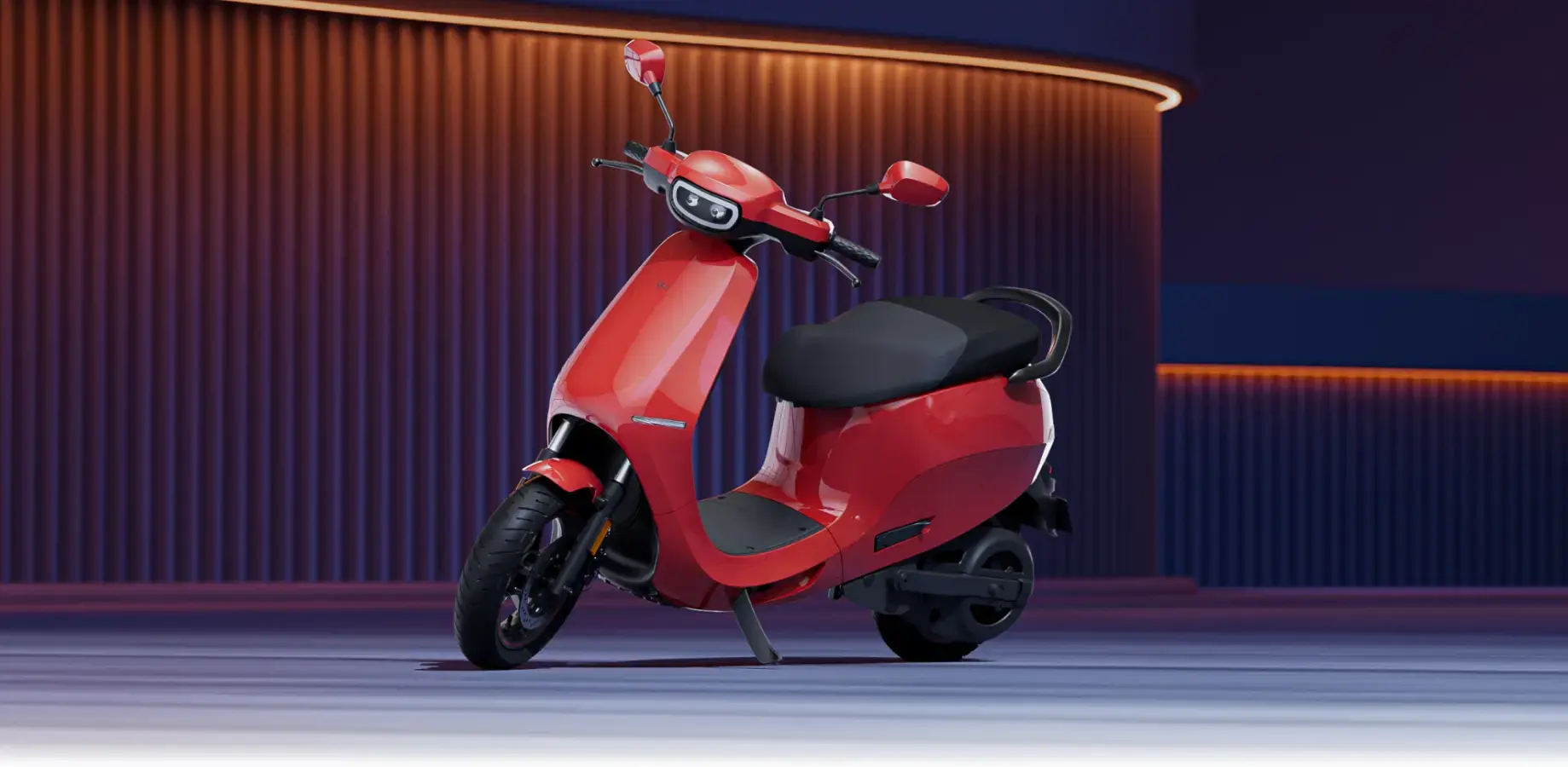
3. Ola S1 Pro Gen 3
The Ola S1 Pro has become one of India’s most recognizable electric scooters, thanks to its impressive performance, feature-rich software, and rapidly expanding Hypercharger network.
With support for high-speed charging at compatible stations, riders can add approximately 40–50 km of range in just 15 minutes, making it one of the quickest charging experiences available in the country.
The latest generation also offers enhanced battery management, improved ride dynamics, and a claimed IDC range of over 240 km, making it suitable for riders who frequently travel longer distances.
Highlights
- Approximate Price: ₹1.30–1.60 lakh
- Claimed Range: Up to 242 km (IDC)
- Top Speed: 125 km/h
- Hypercharger support
- Large touchscreen display
- Advanced connectivity features
- Multiple riding modes
Ideal for: Performance-focused riders, long-distance commuters, and technology enthusiasts.
4. Ampere Nexus
The Ampere Nexus focuses on comfort, practicality, and efficient daily commuting rather than outright performance. Its charging system allows a full charge in approximately 3.3 hours, making it one of the quickest home-charging scooters in its category.
With a spacious seat, stable ride quality, and useful storage, it appeals to families and city commuters alike.
Highlights
- Price: ₹1.15–1.25 lakh
- Claimed Range: Up to 136 km (IDC)
- Top Speed: 93 km/h
- Full charge in approximately 3.3 hours
- Comfortable suspension setup
- Practical storage solutions
Best suited for: Daily office commuters, families, and riders looking for comfort and convenience.
5. Hero Vida V1 Pro
The Hero Vida V1 Pro stands out with its removable dual-battery setup, allowing users to charge batteries indoors if dedicated parking with charging access isn’t available.
Using Hero’s portable fast charger, the scooter can achieve a 0–80% charge in approximately 65 minutes, making it highly practical for urban riders.
Highlights
- Approximate Price: ₹1.20–1.35 lakh
- Claimed Range: Around 110 km
- Top Speed: 80 km/h
- Removable battery packs
- Fast charging capability
- Smart connectivity features
Ideal for: Apartment residents, students, and urban commuters seeking flexible charging options.
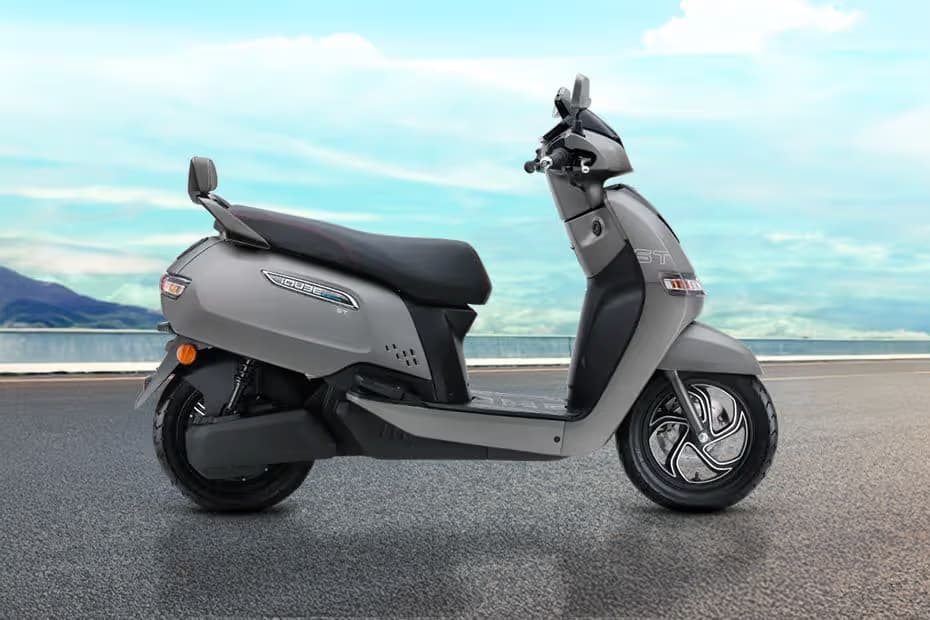
6. TVS iQube ST
TVS has steadily built a reputation for reliability in India’s electric two-wheeler market, and the TVS iQube ST is a testament to that approach. Instead of chasing extreme performance figures, the iQube focuses on refinement, comfort, and dependable ownership.
The scooter supports relatively quick charging compared to many conventional EVs in its segment, while offering one of the smoothest riding experiences for city traffic.
Key Specifications
| Specification | Details |
|---|---|
| Approx. Price | ₹1.35–1.60 lakh |
| Battery | Up to 5.1 kWh (variant dependent) |
| Claimed IDC Range | Up to 212 km |
| Top Speed | 82 km/h |
| Charging Time | Around 2.5–4 hours (variant and charger dependent) |
Pros
- Excellent ride comfort
- Proven TVS service network
- Large TFT display
- Good build quality
- Refined motor performance
Best For
- Office commuters
- Family riders
- Buyers looking for a trusted legacy brand
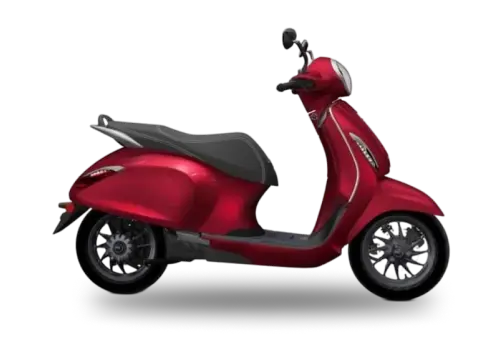
7. Bajaj Chetak 3501
The latest Bajaj Chetak blends retro styling with modern EV technology. While it isn’t the fastest-charging scooter in absolute terms, Bajaj has significantly improved charging efficiency and battery performance over previous generations.
The all-metal body, refined ride quality, and excellent fit-and-finish make it one of the most premium electric scooters available in India.
Key Specifications
| Specification | Details |
|---|---|
| Approx. Price | ₹1.30–1.40 lakh |
| Claimed Range | Up to 153 km |
| Charging Time | Around 3–4 hours |
| Top Speed | 73 km/h |
Pros
- Premium metal body
- Excellent reliability
- Comfortable suspension
- Spacious boot storage
Best For
- Family users
- Senior citizens
- Daily commuters
- Premium urban buyers
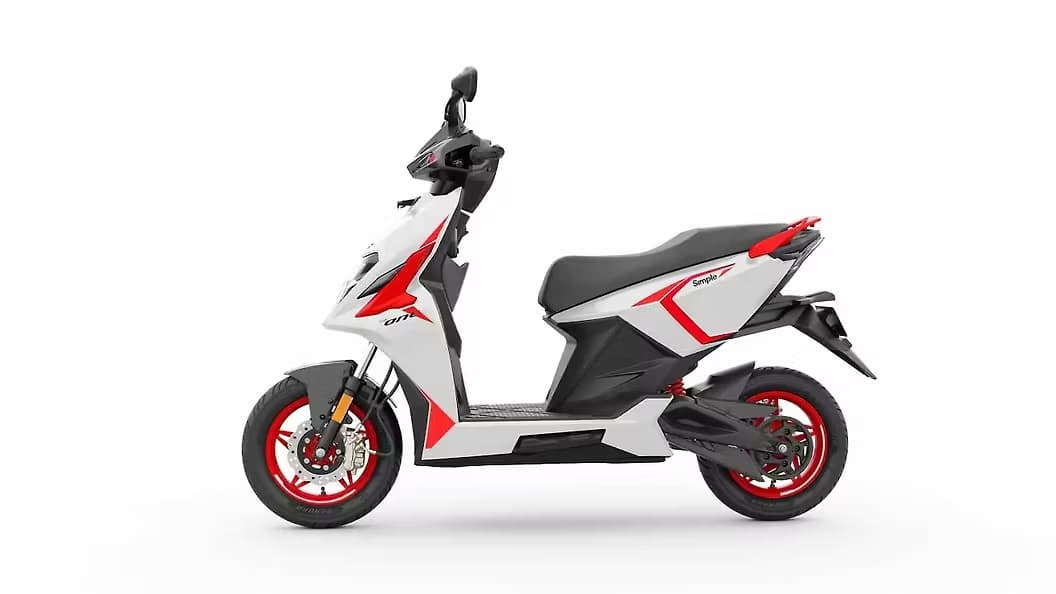
8. Simple One Gen 2
The Simple One Gen 2 has attracted attention for combining one of the highest claimed ranges in India with support for rapid charging.
For riders covering long daily distances, this scooter significantly reduces charging frequency, making range anxiety far less of a concern.
Key Specifications
| Specification | Details |
|---|---|
| Approx. Price | ₹1.65 lakh |
| Claimed Range | Up to 248 km (IDC) |
| Charging Support | Fast-charging compatible |
| Top Speed | 105 km/h |
Why It Stands Out
- Exceptional claimed range
- Large battery pack
- Premium performance
- Advanced software features
Best For
- High-mileage riders
- Intercity commuters
- Technology enthusiasts
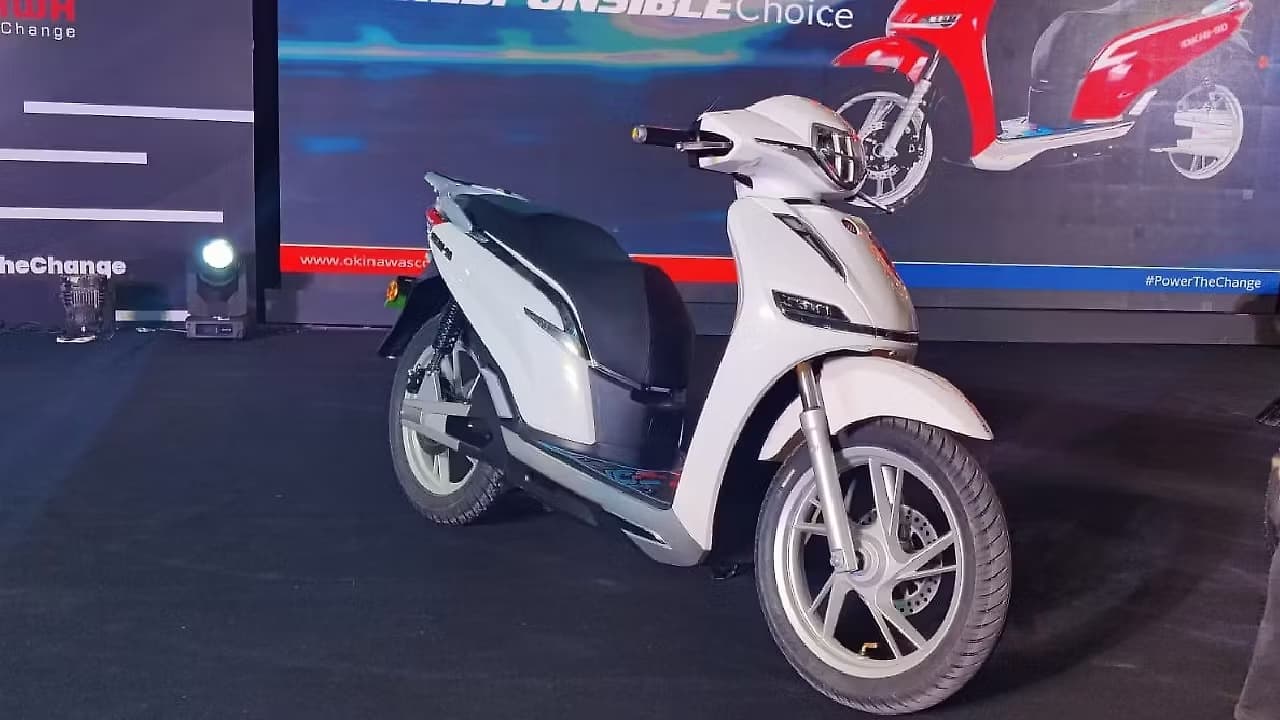
9. Okinawa Okhi-90
The Okhi-90 takes a slightly different approach by offering larger wheels, improved ride stability, and respectable charging performance.
Although its charging speed isn’t the quickest on this list, it remains an attractive option for riders prioritizing comfort.
Key Specifications
| Specification | Details |
|---|---|
| Price | Around ₹1.50 lakh |
| Claimed Range | 160 km |
| Charging Time | Approximately 5 hours |
| Top Speed | 80 km/h |
Best For
- Mixed city roads
- Rough urban conditions
- Riders wanting larger wheels
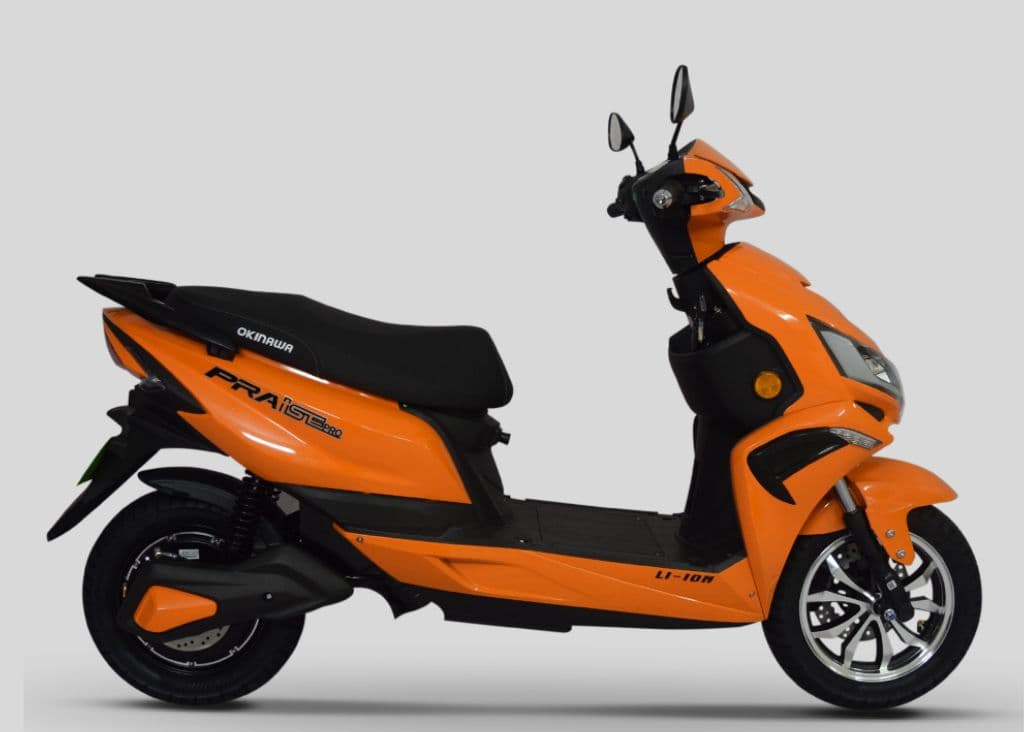
10. Okinawa PraisePro
Not every buyer needs a premium scooter costing over ₹1.5 lakh.
The PraisePro targets budget-conscious customers who still want relatively quick charging and low running costs.
Key Specifications
| Specification | Details |
|---|---|
| Price | ₹85,000–95,000 |
| Claimed Range | Around 81 km |
| Charging Time | Approximately 2–3 hours |
| Top Speed | 58 km/h |
Best For
- Students
- Short city commutes
- Budget buyers
For more details, see the table below
 |  |  |  |  |  |  |  |  |  | |
| Name | Ola Electric S1 Pro | Ather Energy 450X | TVS iQUBE | Bajaj Chetak 3501 | Ampere Electric Ampere Nexus | Hero MotoCorp Vida | Hero MotoCorp VIDA VX2 | Simple Energy One | Okinawa Autotech OKHI-90 | Okinawa Autotech Praise Pro |
| Model | 4 kWh 3rd Gen | 3.7 kWh | ST 3.5 kWh | 3.5 kWh | ST 3 KWh | V2 PLUS 3.44 kWh | PLUS 3.4 kWh | One 5 KWh | 3.6 kWh | 2.08 kWh |
| Year | 2025 | 2025 | 2025 | 2024 | 2024 | 2024 | 2025 | 2026 | 2022 | 2023 |
| Price | ₹1,44,999 | ₹1,56,999 | ₹1,27,935 | ₹1,39,000 | ₹1,29,900 | ₹1,17,000 | ₹1,07,000 | ₹1,77,999 | ₹1,49,991 | ₹84,443 |
Brakes ⯆ | ||||||||||
| Braking System (ABS/CBS) | CBS | CBS | CBS | CBS | CBS | Combined Braking System | Electronic-Assisted Braking System (E-ABS) | |||
| Front Brake Type | 220mm Disc | Disc | Disc | Disc | 200 mm, Disc | Disc | Disc | |||
| Rear Brake Type | 130mm Drum | Drum | Drum | Drum | 200 mm, Disc | Disc | Disc | |||
Pricing ⯆ | ||||||||||
| Ex-showroom price | 144999 | 156999 | 127935 | 139000 | 129900 | 117000 | 107000 | 177999 | 149991 | 84443 |
Suspension & Frame ⯆ | ||||||||||
| Front suspension | Twin telescopic | Telescopic forks | Telescopic | Monoshock | Hydraulic Telescopic | Telescopic forks | Telescopic Fork | Hydraulic Telescopic suspension | Hydraulic Telescopic | |
| Rear suspension | Mono Shock | Symmetrically mounted progressive monoshock | Adjustable, Hydraulic twin tube shock absorber | Monoshock | Dual Shock | Single monoshock. | Monoshock (single shock absorber) setup | Double Shocker with dual-tube technology | Double Shocker with Dual Tube Technology | |
| Frame type | Tubular & Sheet metal | Precision machined hybrid chassis | Tabular Structure | Steel | 4x Strong High Ultimate Tensile Strength Chassis SPFH 590 | Tabular | Underbone | Underbone | ||
| Frame materials | Aluminium and steel | Steel | 4x stronger exoskeleton | Steel | Tubular Steel | |||||
Transmission ⯆ | ||||||||||
| Type | Automatic | Belt drive | Automatic | Automatic | Automatic | Automatic | Automatic | Automatic | Automatic | |
| Transmission ratio | 7.8:1 | Single gear ratio | ||||||||
Peripherals & convenience ⯆ | ||||||||||
| Headlights | LED | LED | LED | LED | LED | LED with Projector | LED | LED | LED with automatic light sensor | LED |
| Tailights | LED | LED | LED | LED | LED | LED | LED | LED | LED | LED |
| Indicators | LED | LED | LED | LED | All Tell-tale & Warning indicators | LED | LED | Slim LED | LED | LED winkers/indicators |
| Park Assist | Yes, Reverse/Forward | Yes (Parking Mode/Secure Parking) | Yes, "Motor Walk Assist" | |||||||
| Side stand motor cut-off | ||||||||||
| Pillion grab handle | Aluminium | |||||||||
| Reverse mode | ||||||||||
| Side Stand Alert | ||||||||||
| Pillion backrest | ||||||||||
| Number Plate Lamp | Yes, LED | |||||||||
| Signature Position Lamp | Yes, LED | LED | ||||||||
| Illuminating Logo | Yes, LED | Yes, Okinawa brand logo | ||||||||
| DRLs | LED | |||||||||
Features ⯆ | ||||||||||
| Navigation | Google Maps | Turn by Turn | Turn-by-turn, Map | Yes, TBT | ||||||
| Digital Storage | ||||||||||
| App Control | Simple connect integration 2.0 | Yes, Okinawa Connect App | ||||||||
| Tow & Theft Notifications | Anti-Theft Alarm | |||||||||
| Find my scooter | ||||||||||
| Ride Stats | ||||||||||
| Push Navigation | Turn-by-Turn | |||||||||
| Inter-city Trip Planner | ||||||||||
| OTA Updates | ||||||||||
| Riding modes | Hyper, Sports, Normal & Eco | SmartEco™ | Eco | Ride | Sport | Warp™ | Eco and Power Mode | Eco, Sports | 5 (Eco, City, Power, Limp Home, and Reverse) | Eco | Ride | Sport | Eco, Ride, Sport | Yes, Eco, EcoX, Ride, Air, Sonic, SonicX | Yes (Eco & Sport). | Yes. Features Eco, Sports, and a temporary Turbo mode. |
| TrueRange Display | SmartEco™ - 130 km | Eco - 125 km | Ride - 105 km | Sport - 95 km | Warp™ - 85 km | |||||||||
| Interactive UI | ||||||||||
| Dashboard auto brightness | Yes, Adaptive | |||||||||
| AutoHold | ||||||||||
| Auto Indicator cut-off | Yes, Sequential Blinkers | Upcoming | ||||||||
| Guide-me-home lights | ||||||||||
| Vehicle FallSafe | ||||||||||
| Coasting regeneration | ||||||||||
| Emergency Stop Signal (ESS) | ||||||||||
| Call & Music control | Incoming call Alerts | |||||||||
| Ping my scooter | ||||||||||
| Alexa Skills | ||||||||||
| WhatsApp on dashboard | ||||||||||
| Ride Stories | ||||||||||
| Share live location | Yes, Supported via app | |||||||||
| Cruise Control | ||||||||||
| GPS Connectivity | ||||||||||
| Remote Boot Unlock | ||||||||||
| Advanced Regen | Yes L1-L4 | |||||||||
| Mobile Phone Connectivity | ||||||||||
| Regenerative Braking | Yes, with E-ABS | Yes. Equipped with E-ABS | ||||||||
| GSM Connectivity | Yes, Via server | Upcoming | ||||||||
| TCU (Telematic Control Unit) | TCU will provide android capabilities on 7" screen ( Upcoming) | |||||||||
| HMI Joystick | ||||||||||
| Voice Assist | ||||||||||
| Distance to Empty (DET) | ||||||||||
| Geofencing | ||||||||||
| Hill Hold | ||||||||||
| TPMS | Yes, Optional | |||||||||
| Limphome mode | ||||||||||
| USB Port | ||||||||||
Warranty ⯆ | ||||||||||
| Scooter Warranty | 3 yrs/40,000 km | 3 years/30,000 km | 3 years or 50,000 km | 3 Yrs, 50 000 km | 5yrs/50,000 km | 3-year or 30,000 km | 3 Years / 30,000 Km | |||
| Battery Warranty | 3 years/30,000 km | 3 years or 50,000 km | 5 years / 75,000 km | 3yrs/30,000 km | 3-year or 30,000 km | 3 Years / 30,000 KM | 3 Years | |||
| Charger Warranty | 3 years | 3 years or 50,000 km | 3 years / 20,000 km for the portable charger. | 3 Years. | 3 Years | |||||
Dashboard ⯆ | ||||||||||
| Processor | Snapdragon 212 Quadcore 1.3Ghz | 64-bit quad-core ARM Cortex-A53 | CAN-enabled Powertrain controller | |||||||
| Digital Storage | 16GB | Yes, on Cluster | ||||||||
| RAM | 2GB | 2 GB | ||||||||
| Operating system | Move OS | Android Open Source OS (AOSP) | Yes, Nex.io | Android 12 | ||||||
| Screen size & type | 7-inch touchscreen | 17.7 cm (7”) TFT touchscreen | 17.78 cm TFT Touch Display | 5 Inch TFT With Touch Screen Display | 7-inch | OTA enabled 7" TFT with Touch display (with dark and auto mode) | 4.3'' TFT | 7 inches TFT | Digital display | Digital Speedometer |
| Touchscreen type | TFT | Capacitive | TFT Touch | Thin Film Transistor (TFT) | 7-inch | TFT screen with touch functionality | TFT | |||
| Resolution | 800 x 480 pixels | 800 * 480 PIXELS | ||||||||
| Colours | 16M | Titanium Grey Matte, Starlight Blue-Beige, Copper Brown-Beige | 5 | 4 | 6 | 7 | Red, Blue, Grey and White | |||
| Brightness | 800 Nits | 1000 LUX | Standard illuminated display | |||||||
| Aspect ratio | 5:3 | |||||||||
| Water & dust resistance | IP65 | IP67 | ||||||||
| Key Type | Flip Key with LED Light | Keyless Ignition, FOB | Mechanical | Mechanical | Digital/Keyless (App/Bluetooth/Proximity) | Keyless Remote with a push-button | Remote Start/Push Button Start with Keyless Entry | |||
| Instrument Cluster | TFT Touch / 17.78cm Display | Digital | Yes, Digital speedometer with detailed battery voltage info | Digital | ||||||
| Flip Key with LED Light | ||||||||||
Dimensions & storage ⯆ | ||||||||||
| Length | 1900 mm | 189.1 cm | 1805 mm | 1914 mm | 712 mm | 851 mm | 1901 mm | 2220 | 1970 | |
| Width | 850 mm | 73.9 cm | 645 mm | 758 mm | 710 | 715 | ||||
| Height | 1288 mm | 111.4 cm | 1140 mm | 765 mm | 1163 mm | 1160 | 1165 | |||
| Wheelbase | 1359 mm | 129.6 cm | 1301 mm | 1355 mm | 1319 mm | 1301 mm | 1347 mm | 1520 | 1290 | |
| Ground clearance | 160 mm | 17 cm | 157 mm | 170 mm | 155 mm | 172 mm | 175 | 175 | ||
| Seat height | 791 mm | 78 cm | 770 mm | 775 mm | 765 mm | 777 mm | 777 mm | 780 mm | 803 | 800 |
| Kerb weight | 113 kg | 111.6 Kg | 132 kg | 128 kg | 124 kg | 115 kg | 129 kg | 96 kg | 109 | |
| F:R weight ratio | 48:52 | |||||||||
| Water wading limit | 30 cm | 150mm | 300 mm | |||||||
| Boot storage | 34 L | 22L | 32 L | 34 L | 24 L | 27.2 L | 27.2 L | 35 Liters | 40L | 7 Liters |
| Front Storage | 5 L | 6.1 L | 4.8 L | 1 Liter | ||||||
| Pillion Seat height | 765 mm | |||||||||
| Pilion Backrest | ||||||||||
Tyres & wheels ⯆ | ||||||||||
| Wheel type | Alloy | Alloy wheels | Alloy | Alloy | Alloy | Alloy | Alloy | Alloy | Aluminum Alloy | Alloy wheels |
| Wheel size (front) | 30.4 cm x 5.4 cm (12”x 2.15”) | 304.8 mm | 304.8 mm | 304.8 mm | 12" | 12-inch | 12 inches | 16-inch | 12-inch | |
| Wheel size (rear) | 30.4 cm x 6.3 cm (12”x 2.5”) | 304.8 mm | 304.8 mm | 304.8 mm | 12" | 12-inch | 12 inches | 16-inch | 12-inch | |
| Tyre size (front) | 90/90 - R12 | 90/90-12 tubeless tyres | 90/90-12 | 90/90-12 | 90/90-12 | 90/90-12 | 100/80-16 | 90/90-12 | ||
| Tyre size (rear | 90/90 - R12 | 100/80-12 tubeless tyres | 90/90-12 | 90/100-12 | 90/90-12 | 90/90-12 | 120/80-16 | 90/90-12 | ||
| Tyre Type | Tubeless | Tubeless | Tubeless | Tubeless | Tubeless | |||||
Charging Info ⯆ | ||||||||||
| Home Charging (0-80%) | 4 hrs 50 mins | 6 hr 36 min | 3 h | 3 hr | 5 h 55 min | 4 hr 13 min | 5Hr 20min | Approx. 1 hour (using fast charging) | Approx. 1.5 to 2 hours | |
| Home Charging (0-100%) | 8 hr 36 min | Approx 3.3 hrs | 5 hr 39 min | Approx. 5-6 hours | Approx. 2 to 3 hours | |||||
| Charging Network | ||||||||||
| 0-50% SOC | 50km in 15 mins | 1.5 km/min | Approx. 45 minutes to 1 hour. | |||||||
| 50-80% SOC | 1 km/min | Approx. 45 minutes to 1 hour. | ||||||||
| Charger Type and Capacity | Off-Board, Portable Charger | 950 W | AC Charger/760 Watt (51 volt * 15 A) | 15 A, Portable Charger | 580 W | 750W portable charger | Micro Charger with Auto Cut functionality. | Portable Micro-Charger with Auto-Cut function | ||
Battery ⯆ | ||||||||||
| Installed capacity | 4 kWh | 2.9 kWh | 3.5 kWh | 3.5 kWh | 3 kWh | 3.44 kWh | 3.4 kWh | 5.0 kWh | 3.6 kWh | 2.08 kWh |
| Battery type | Lithium Ion | Lithium-ion | Lithium Ion Battery | Lithium-ion | Lithium-ion | Removable | Lithium-ion (Li-ion) - Removable | Lithium-ion | Lithium-ion (Detachable/Portable) | Lithium-ion |
| Rated voltage | 51 Volts (DC) | 51.1 V | 52V | 50.4 V | 3.3 | 4.0 kW | 50.4 V | 72V | 72V | ||
| Water & dust resistance | IPX7 | IP67 | ||||||||
| Pack casing | Aluminium alloy | Hardened ABS plastic and metal alloy | ||||||||
| BMS Controlled | ||||||||||
| Battery Level and Low Battery Indicator | ||||||||||
Range ⯆ | ||||||||||
| ARAI IDC Range | 242 km | 126 km | 145 km | 153 km | 136 km | 143 km | 142 KM | 265km | 161 km per charge | 81 km/Charge |
| Real World Range | 109 km | 100 km | ||||||||
Performance ⯆ | ||||||||||
| Motor Power (Nominal/Peak) | 11 kW | 6.4 kW | 3KW/4.4kW | 4.2 kW | 4.0 kW | 6 kW | 6 KW | 4.5 kw/8.8 kw | 2500W/3800W | 1,000 W (Nominal) / 2,700 W (Peak) |
| Max torque | 58 Nm | 26 Nm | 33Nm/140Nm | 20 Nm | 35 Nm | 25 Nm | 72 Nm | |||
| Top speed | 125 km/h | 90 km/h | 78 km/h | 73 km/h | (Power, City, Eco) | (93, 63, 42 km/h) | 85 km/h | 80 km/h | 115km/h | 74 kmph | 56 km/h |
| Acceleration (0-40 km/h) | 2.7 sec | 3.3 s | 4.2 Sec | 4.7 seconds | 4 seconds | 3.4 sec | 3.1 Sec. | 2.55 sec | Approx. 4 sec | 7–8 seconds |
| Gradeability at peak power | 17 Degrees | 20 degrees | 10 Degrees | 150 degree | 16 degrees | 18 degree | 18.0 degree | 18 degrees | 7 degree | 7 degrees |
| Motor type | Mid Drive IPM | PMSM | BLDC Hub mounted Type | Hub Motor | Mid-mount motor | PMSM | PMSM | PMSM | BLDC Mid drive Motor | BLDC (Brushless DC) Hub Motor. |
| Motor IP Rating | IP67 | IP66 | IP67 | IP67 | IP67 | IP 68 | IP67 | IP65 | IP65 | |
| Controller IP Rating | IP67 | IP65 | IP67 | IP67 | IP67 | IP65 | ||||
| Battery IP Rating | IP67 | IP67 | IP67 | IP 67 | IP65 | IP65 | ||||
| Charger IP Rating | IP65 | IP65 | IP20 to IP21 | |||||||
Sources: All the specifications are from the official page.
- Ola Electric S1 Pro 4 kWh 3rd Gen
- Ather Energy 450X 3.7 kWh
- TVS iQUBE ST 3.5 kWh
- Bajaj Chetak 3501 3.5 kWh
- Ampere Electric Ampere Nexus ST 3 KWh
- Hero MotoCorp Vida V2 PLUS 3.44 kWh
- Hero MotoCorp VIDA VX2 PLUS 3.4 kWh
- Simple Energy One One 5 KWh
- Okinawa Autotech OKHI-90 3.6 kWh
- Okinawa Autotech Praise Pro 2.08 kWh
Comparison: Which Fast Charging Scooter Should You Buy?
| If You Want… | Best Choice |
|---|---|
| Fastest Charging Network | Ather 450X |
| Longest Range | Simple One Gen 2 |
| Best Performance | Ola S1 Pro Gen 3 |
| Family Scooter | TVS iQube ST |
| Premium Quality | Bajaj Chetak |
| Apartment-Friendly Charging | Vida VX2 |
| Comfortable Ride | Ampere Nexus |
| Budget Option | Okinawa PraisePro |
Electric Scooter Charging Cost in India
One of the biggest advantages of electric scooters is their exceptionally low charging cost compared to petrol scooters.
a) Average Residential Electricity Cost
Most Indian households pay between
- ₹6–₹10 per kWh
- Commercial charging stations may charge ₹12–₹20 per kWh
b) Estimated Home Charging Cost
| Battery Size | Electricity Cost (₹8/unit) | Approximate Cost per Full Charge |
|---|---|---|
| 2 kWh | ₹16 | ₹16 |
| 3 kWh | ₹24 | ₹24 |
| 4 kWh | ₹32 | ₹32 |
| 5 kWh | ₹40 | ₹40 |
Even premium electric scooters usually cost ₹25–₹45 for a full home charge.
c) Cost Per Kilometre
| Vehicle Type | Approximate Running Cost |
|---|---|
| Petrol Scooter | ₹2.3–₹3.5/km |
| Electric Scooter | ₹0.18–₹0.45/km |
Over five years, this difference can translate into savings of ₹60,000–₹1 lakh or more, depending on annual usage.
What Affects Charging Speed?
Charging isn’t determined by the charger alone. Several factors influence how quickly your scooter charges.
a) Battery Capacity
Larger batteries naturally take longer to charge.
b) Battery Temperature
Lithium-ion batteries charge most efficiently between 20°C and 35°C.
c) Battery Management System (BMS)
A sophisticated BMS optimises charging while protecting battery health.
d) Charger Output
Higher-wattage chargers deliver energy faster, provided the scooter supports them.
e) State of Charge
The final 20% of charging usually slows down to preserve battery longevity.
Common Mistakes Buyers Make
Many first-time EV buyers focus only on range or price, overlooking other critical aspects.
Avoid these common mistakes:
- Buying solely based on the claimed range
- Ignoring the availability of fast chargers nearby
- Not checking warranty coverage
- Choosing a scooter without adequate service support
- Frequently charging to 100% when unnecessary
- Using incompatible third-party chargers
Buying Guide: How to Choose the Right Fast-Charging Electric Scooter
Before making your purchase, ask yourself these questions:
How many kilometres do you travel daily?
- Under 40 km: Most scooters are suitable.
- 40–80 km: Choose models with at least 120 km of real-world range.
- Above 80 km: Prioritize larger batteries and fast charging.
Do You Have Home Charging?
If not, consider:
- Removable batteries
- Access to public charging
- Workplace charging availability
Is There a Service Centre Nearby?
A good after-sales network is just as important as charging speed.
Check the Charging Ecosystem
Some brands offer extensive proprietary charging networks, while others rely more heavily on home charging. Choose the option that best matches your travel patterns.
Battery Technology Behind Fast Charging
Modern electric scooters increasingly use advanced battery chemistries designed to improve safety, longevity, and charging efficiency.
Lithium Iron Phosphate (LFP)
Advantages:
- Longer lifespan
- Better thermal stability
- Lower fire risk
- Ideal for Indian climates
Nickel Manganese Cobalt (NMC)
Advantages:
- Higher energy density
- Longer driving range
- Better performance
Trade-off:
- Typically more expensive
- Requires sophisticated thermal management
Government Support Driving EV Growth in India
India’s electric mobility ecosystem has expanded rapidly due to policy support and infrastructure development.
Key initiatives include:
- PM E-DRIVE scheme supporting electric mobility after the conclusion of FAME-II
- State-level incentives in select regions, such as road tax and registration fee exemptions (subject to state policies)
- Expansion of public charging infrastructure through government and private investment
- PLI schemes encouraging domestic battery and EV manufacturing
These measures are helping improve affordability, localization, and long-term adoption of electric scooters across the country.
India’s Fast-Charging Infrastructure Is Expanding
India’s charging ecosystem is growing rapidly, driven by manufacturers, energy companies, and charging operators.
Major developments include:
- Increasing deployment of public charging stations in metro cities
- Charging points at shopping malls, office complexes, and highways
- Growing investment from oil marketing companies and private charge point operators
- Smart charging through mobile apps and connected vehicle ecosystems
While urban areas currently have the strongest charging coverage, Tier-2 and Tier-3 cities are also seeing steady expansion.
Expert Insight from Electric Vehicle Talks
At Electric Vehicle Talks, we’ve observed that Indian buyers are no longer evaluating electric scooters based solely on driving range. Charging convenience, software reliability, battery durability, and service support have become equally important decision-making factors.
For most urban commuters, a scooter that offers dependable fast charging, a robust charging ecosystem, and strong after-sales service delivers greater long-term value than one that simply advertises the highest range.
Our recommendation is to assess your daily riding distance, home charging access, local service availability, and the presence of compatible public chargers before making a purchase. A well-rounded ownership experience often outweighs headline specifications.
As India’s charging infrastructure continues to expand and battery technology advances, fast-charging electric scooters are poised to become the preferred choice for a growing number of riders.
People Also Ask
1. Which is the fastest charging electric scooter in India?
The Ather 450X and Ola S1 Pro Gen 3 are among the fastest-charging electric scooters available in India, thanks to their dedicated rapid-charging ecosystems. Ather’s Grid network can add approximately 15 km of range in around 10 minutes, while Ola’s Hypercharger network can provide about 40–50 km of range in roughly 15 minutes under ideal conditions.
However, the actual charging experience depends on factors such as battery temperature, charger availability, software version, and battery state of charge.
2. How much does it cost to fully charge an electric scooter in India?
The charging cost depends on the battery size and your electricity tariff.
Here’s a quick estimate for home charging:
| Battery Size | Approximate Charging Cost |
|---|---|
| 2 kWh | ₹14–₹20 |
| 3 kWh | ₹21–₹30 |
| 4 kWh | ₹28–₹40 |
| 5 kWh | ₹35–₹50 |
Even larger electric scooters usually cost less than ₹50 for a full home charge, making them significantly cheaper to operate than petrol scooters.
3. Does fast charging damage an electric scooter battery?
Not necessarily.
Modern electric scooters use intelligent Battery Management Systems (BMS) that monitor the following:
- Battery temperature
- Voltage
- Current
- Cell balancing
- Charging speed
Manufacturers also reduce the charging rate automatically as the battery approaches 80–100% to minimize stress on the cells.
Occasional fast charging is generally safe when using the manufacturer’s approved charger. However, relying exclusively on rapid charging every day may accelerate battery wear over many years compared with a balanced charging routine.
4. Can I fast-charge my electric scooter at home?
Yes, but it depends on the scooter model.
Some manufacturers offer optional high-power home chargers that reduce charging time considerably. Others reserve the fastest charging speeds for their dedicated public charging networks.
Before purchasing, check:
- Whether a fast home charger is available
- Required electrical connection (5A or 15A)
- Installation requirements
- Additional charger cost
5. Which electric scooter has the longest range with fast charging?
Among current offerings, the Simple One Gen 2 provides one of the highest claimed IDC ranges while also supporting fast charging.
Other long-range options include:
- Ola S1 Pro Gen 3
- Vida VX2
- Ather 450X (depending on variant)
Keep in mind that real-world range varies with riding style, traffic conditions, payload, weather, tyre pressure, and the selected riding mode.
6. Is a fast-charging electric scooter worth buying?
For most urban riders, yes.
If you regularly commute to work, travel long distances within the city, or don’t have the luxury of charging overnight every day, fast charging adds valuable convenience.
You’ll spend less time waiting and gain greater flexibility for unplanned trips, making ownership more practical.
7. What should I consider before buying a fast-charging electric scooter?
Look beyond charging time alone. Consider:
- Daily riding distance
- Real-world range
- Battery warranty
- Service network
- Availability of fast chargers in your city
- Battery chemistry
- Home charging setup
- Spare parts availability
- Software updates
- Brand reliability
Choosing a scooter that matches your lifestyle is more important than simply selecting the fastest-charging model.
FAQs about the best fast-charging electric scooters in India
1. Which is the best fast-charging electric scooter in India?
The Ather 450X is widely regarded as one of the best all-around fast-charging electric scooters due to its extensive charging network, refined ride quality, software features, and strong ownership experience. Buyers seeking higher performance may also consider the Ola S1 Pro Gen 3, while families may prefer the TVS iQube ST or Vida VX2.
2. How long does a fast-charging electric scooter take to charge?
Charging time varies depending on the battery size and charger type. Public rapid chargers can add useful range in as little as 10–20 minutes, while a 0–80% charge typically takes between 1 and 3 hours for most fast-charging models.
3. What is the average battery life of an electric scooter?
Most lithium-ion batteries are designed to last 8–10 years or approximately 1,000–2,000 charge cycles, depending on battery chemistry, usage patterns, charging habits, and environmental conditions. Regular maintenance and proper charging practices can help maximize battery longevity.
4. Can I install a fast charger at my home?
Many manufacturers offer optional home charging solutions, but compatibility varies by model. Some scooters support dedicated high-power home chargers, while others achieve their fastest charging speeds only through the brand’s public charging infrastructure. Always consult the manufacturer before installing a charger.
5. Are fast-charging electric scooters suitable for long-distance travel?
Yes, provided the route has adequate charging infrastructure. Models with larger battery packs and access to reliable fast-charging networks make intercity travel increasingly practical, although route planning remains important in areas with limited charging coverage.
6. Do electric scooters require less maintenance than petrol scooters?
Generally, yes. Electric scooters have fewer moving parts, no engine oil, clutch, gearbox, or exhaust system, resulting in lower routine maintenance costs. However, periodic checks of tyres, brakes, suspension, software, and the battery system are still essential.
7. Is public fast charging more expensive than charging at home?
In most cases, yes. Charging at home using residential electricity tariffs is usually the most economical option. Public fast chargers often charge higher rates due to infrastructure, maintenance, and operational costs, though they offer the advantage of significantly reduced charging times.
As India moves toward cleaner transportation, fast-charging infrastructure will continue to expand across cities, highways, workplaces, and residential communities. Coupled with advances in battery chemistry and smart charging technologies, electric scooters are set to become even more efficient, affordable, and accessible for millions of riders.
Whether you’re purchasing your first EV or upgrading from an older model, investing in a fast-charging electric scooter today can provide a more flexible, economical, and future-ready commuting experience.
Explore More with Electric Vehicle Talks
Looking for more expert insights on electric mobility? Visit Electric Vehicle Talks for the latest EV news, in-depth buying guides, charging resources, ownership tips, technology explainers, and market updates to help you make informed decisions on your electric mobility journey.
Related Article: