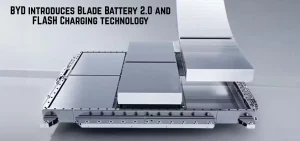
A video claiming that an Indian engineering student repaired his electric SUV’s high-voltage battery at home has triggered admiration, skepticism, and safety concerns. The footage has attracted millions of views, although the service quotation and successful repair remain independently unverified. EV Battery Repair
What Does the Video Claim?
According to accompanying posts, an authorized service centre recommended an expensive, multi-lakh battery pack replacement and warned of a wait for parts. Instead, the student reportedly dismantled the vehicle, opened its traction battery and isolated a cell-level fault.
The claimed EV Battery Repair took two days and allegedly cost only a fraction of the manufacturer’s estimate. The SUV reportedly returned to normal operation, but no technical report or manufacturer confirmation is available.
Why Has It Divided the Internet?
Supporters praised the student’s engineering skills, arguing that cell-level diagnostics could prevent unnecessary whole-pack replacements. The episode has renewed debate about servicing, limited repair choices, and the need for an independent EV Battery Repair ecosystem.
Critics questioned whether an engineering student has the certification needed for high-voltage work. They warned that unauthorized tampering may void the vehicle’s warranty and affect insurance coverage.
Why Is DIY Battery Work Dangerous?
EV traction batteries commonly operate between 400V and 800V and can deliver lethal current. Incorrect handling may cause electrocution, arc flash, fire, explosion, or thermal runaway. Even a small spark can trigger a catastrophic incident.
Professional EV Battery Repair requires trained technicians, insulated tools, voltage-rated protective equipment, proper isolation procedures, and a controlled workspace. Owners should never copy an online demonstration without qualifications.
The episode highlights demand for affordable EV Battery Repair, but savings cannot outweigh safety, warranty protection, and long-term reliability. Until independently verified, the student’s achievement should be treated as an unconfirmed social media claim—not a DIY repair guide.

Related Articles: