With vehicular emissions continuing to choke Delhi’s air quality, 2026 is set to mark a turning point for the Capital’s transport system. Backed by a sharp budget hike and policy reset, the Rekha Gupta-led government is rolling out a sweeping overhaul focused on Metro expansion, public bus reforms, electric mobility and last-mile connectivity. At the heart of this shift lies a DTC revamp and a new EV policy, both aimed at reducing pollution and easing congestion.
Why Change Is Urgent?
Delhi holds nearly 1.57 crore vehicles—over half of the NCR’s total—despite occupying just 2.7% of its area. A Prime Minister’s Office review highlighted this imbalance and the slow adoption of electric vehicles, pushing transport reforms to the top of the policy agenda. Reflecting this urgency, the Transport Department’s budget has jumped from ₹5,700 crore in 2024–25 to over ₹9,000 crore in 2025–26.
Delhi Metro & Regional Rail: Expansion Mode
Metro and regional rail projects will consume a major share of this funding. Three priority corridors of Delhi Metro Phase IV—Majlis Park–Maujpur, Janakpuri West–RK Ashram Marg, and Aerocity–Tughlaqabad—covering 44 stations, are set for completion in 2026. Non-priority corridors like Lajpat Nagar–Saket and Rithala–Kundli have also received approval.
Additionally, the Delhi–Meerut Namo Bharat RRTS corridor is expected to be fully operational, significantly reducing intercity travel time.
Public Buses: DTC Revamp Takes Centre Stage
Public bus transport is undergoing structural reform, with DTC revamp and new EV policy on cards, shaping the next phase. DTC will absorb DIMTS operations to improve accountability, while long-overdue route rationalisation will reduce overlaps and improve Metro and RRTS integration. As ageing CNG buses are phased out, Delhi’s electric bus fleet is projected to cross 7,000 by end-2026, enhancing reliability and coverage.
EV Policy 2.0: Tougher, Faster, Greener
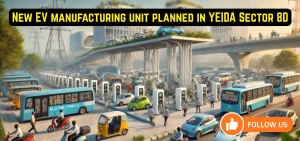
The upcoming EV Policy 2.0, a key pillar of DTC revamp and a new EV policy on cards, is expected to roll out in April 2026. Drafted by a Group of Ministers, it proposes purchase subsidies, expanded charging infrastructure, battery recycling systems, and disincentives for petrol, diesel and CNG vehicles. Registration bans for ICE two-wheelers and CNG auto-rickshaws from August 2026 signal a decisive push toward electrification.
Regulating Last-Mile Connectivity
Acknowledging congestion caused by unregulated e-rickshaws, the government plans comprehensive guidelines to define their routes and operational zones, balancing affordability with traffic discipline.
A Defining Year Ahead
Together, Metro expansion, bus electrification and stricter EV norms underline why DTC revamp and new EV policy on cards could redefine Delhi’s mobility in 2026—cleaner, smarter and more sustainable.
Related Articles:-