The rise of electric vehicles (EVs) is no accident—it’s the result of relentless innovation. Over the past decade, breakthroughs in EV tech have transformed these futuristic machines from niche alternatives to mainstream transportation. Advances in battery capacity have eliminated range anxiety, while ultra-fast charging has made refueling as quick as a coffee break.
Cutting-edge aerodynamics and lightweight materials now enhance efficiency, and smart software integration offers seamless connectivity. Automakers are pushing boundaries with self-driving capabilities and wireless charging, making EVs more convenient than ever. But what exactly were the game-changing innovations that led to this revolution? How did these developments make EVs practical, affordable, and desirable for millions?
In this blog, we’ll explore the most significant breakthroughs in EV tech that have propelled electric cars to the forefront of the auto industry, shaping the future of sustainable mobility. Buckle up—this journey into EV evolution is just getting started!
Game-Changing EV Tech: Breakthroughs That Made Electric Cars a Hit
Electric vehicles (EVs) have rapidly gained popularity, fueled by advancements in battery capacity, charging speed, and design. These innovations have made EVs more practical, convenient, and sustainable. This article highlights the key breakthroughs driving their widespread adoption.
1. The Evolution of Battery Technology
Higher Energy Density
One of the most significant barriers to EV adoption in the past was “range anxiety”—the fear of running out of battery before reaching a charging station. Advances in battery energy density have addressed this issue, allowing modern EVs to travel significantly longer distances on a single charge. With newer lithium-ion and graphene-based batteries, electric cars can now achieve ranges comparable to gasoline-powered vehicles.
Fast-Charging Capabilities
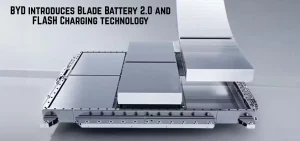
Early EVs required hours to recharge, making long-distance travel inconvenient. However, advancements in battery chemistry and charging infrastructure have drastically reduced charging times. Modern DC fast chargers can replenish an EV battery to 80% in under an hour, and some ultra-fast chargers can add hundreds of miles of range in as little as 15 minutes.
Enhanced Battery Longevity
Battery degradation was once a major concern for EV owners, as replacing an EV battery was costly. However, improvements in battery chemistry have increased durability, with newer batteries designed to last well over a decade with minimal degradation. This extends the lifespan of EVs, making them a more financially sound investment for consumers.
Solid-State Batteries
Solid-state batteries represent the next frontier in EV technology. Unlike traditional lithium-ion batteries, which use liquid electrolytes, solid-state batteries utilize solid electrolytes. This innovation results in higher energy density, faster charging times, and improved safety. While still in development, these batteries are expected to revolutionize EV performance in the coming years.
Graphene Batteries
Graphene batteries utilize graphene, a single layer of carbon atoms arranged in a honeycomb lattice, to enhance battery performance. Compared to traditional lithium-ion batteries, graphene-based batteries offer:
- Faster Charging Times – Graphene has high electrical conductivity, allowing for quicker energy transfer. This means EVs and electronic devices can charge in minutes rather than hours.
- Greater Energy Storage – Graphene’s structure enables higher energy density, meaning these batteries can store more power without increasing size or weight.
- Longer Lifespan – They degrade more slowly, making them more durable and cost-effective over time.
- Improved Thermal Management – Graphene dissipates heat efficiently, reducing the risk of overheating and battery failures.
Sustainable Battery Materials
Sustainability is a core focus of modern EV development. Traditional batteries relied on materials like cobalt and nickel, which have ethical and environmental concerns. The industry is now shifting towards lithium iron phosphate (LiFePO4) and other eco-friendly alternatives. Additionally, recycling initiatives are being implemented to create a circular economy, reducing waste and reliance on newly mined materials.
2. Sustainable EV Manufacturing Practices
The rise of electric vehicles (EVs) underscores the urgency of sustainable manufacturing, particularly in battery production and recycling. While EVs help reduce emissions, their environmental footprint extends across the entire life cycle, from raw material extraction to disposal. A truly green transition requires addressing these challenges holistically.
Governments are taking steps to mitigate these impacts. In the U.S., the Inflation Reduction Act (IRA) provides tax incentives to strengthen battery recycling infrastructure, aiming to reduce environmental damage and dependence on imported minerals.
- Battery Waste Management Rules, 2022: establish progressive recycling targets for manufacturers and importers.
- Recycling Capacity Expansion: The Current capacity stands at 2 GWh; the projected demand is 128 GWh by 2030.
- Industry Initiatives: Companies like Exide Industries are investing in modern recycling facilities.
- Government Support: The PLI scheme promotes domestic battery cell manufacturing.
- Circular Economy Approach: Prioritizes battery reuse and recycling for sustainable industry growth.
Similarly, India is advancing its EV ecosystem through stringent regulations. The Battery Waste Management Rules, 2022, require manufacturers and importers to collect and recycle end-of-life batteries, with recycling targets increasing from 25% in the first year to 70% by the fifth year. This framework ensures responsible disposal and transparent reporting.
Despite these measures, India’s battery recycling capacity remains inadequate. As of July 2025, only 2 GWh of batteries are processed annually, while demand is expected to reach 128 GWh by 2030—half from EVs. To bridge this gap, companies like Exide Industries are investing in advanced recycling facilities, while the Production-Linked Incentive (PLI) scheme promotes domestic battery cell manufacturing.
Embracing a circular economy—focused on reuse and recycling—is vital for sustainable growth. Collaboration among policymakers, manufacturers, and consumers will be key to making India a leader in eco-friendly EV production.
3. Innovations in Charging Infrastructure
Ultra-Fast Charging Networks
The expansion of ultra-fast charging networks has significantly improved the convenience of EV ownership. Charging stations with 150kW+ capabilities are now widespread, allowing drivers to charge their vehicles in a time frame comparable to filling up a gasoline tank.
Wireless Charging
Wireless charging technology is gaining traction, enabling EVs to charge without the need for cables. This innovation uses electromagnetic induction to transfer power from a charging pad to the vehicle, simplifying the charging process and reducing wear on connectors.
Bidirectional Charging (V2G)
Vehicle-to-grid (V2G) technology allows EVs to function as mobile power sources, feeding excess energy back into the grid. This can help stabilize electricity demand, provide backup power for homes, and even generate savings for EV owners.
The adoption of Vehicle-to-Grid (V2G) technology saw significant growth. This innovation enhances electric vehicles (EVs) by enabling two-way charging, allowing them to both draw power from and supply power back to the grid. By doing so, EVs can help stabilize electricity supply and demand, particularly during peak usage periods. Given the substantial battery capacity of EVs, V2G technology can transform them into temporary power sources or storage units, ultimately lowering energy costs.
There are three primary forms of bidirectional charging:
- Vehicle-to-Grid (V2G): EVs supply energy to support the power grid.
- Vehicle-to-Home (V2H): EVs provide electricity to power homes or businesses.
- Vehicle-to-Load (V2L): EVs can power appliances or charge other electric vehicles.
4. Cutting-Edge Vehicle Design and Features
Regenerative Braking
Regenerative braking is a feature that captures kinetic energy during braking and converts it back into electrical energy. This reduces battery drain and extends the range of EVs while improving overall efficiency.
Advanced Driver Assistance Systems (ADAS)
ADAS technology has transformed EVs into some of the safest vehicles on the road. Features like adaptive cruise control, lane-keeping assist, and autonomous emergency braking enhance driver safety and convenience.
Over-the-Air Software Updates
Unlike traditional vehicles, which require dealership visits for updates, EVs can receive software improvements wirelessly. These updates enhance performance, introduce new features, and improve battery efficiency over time.
5. The Low Maintenance Advantage of EVs
Fewer Moving Parts, Lower Costs
Electric vehicles have significantly fewer moving parts than internal combustion engine (ICE) cars. This translates to lower maintenance costs as there are fewer components prone to wear and tear. Without oil changes, exhaust systems, and complex transmissions, EV owners enjoy reduced servicing expenses.
Longevity and Reliability
Electric motors are simpler and more durable than traditional engines, resulting in fewer mechanical failures. This longevity makes EVs a more reliable long-term investment.
6. The Future of EV Technology
Autonomous Driving Integration
The synergy between EVs and autonomous driving technology is shaping the future of transportation. Self-driving EVs will revolutionize mobility, offering safer and more efficient transportation solutions.
Solar-Powered EVs
Some manufacturers are exploring solar-powered EVs, which use integrated solar panels to extend range and reduce reliance on external charging sources.
Hydrogen Fuel Cell EVs
While battery-electric vehicles dominate the market, hydrogen fuel-cell EVs are gaining traction as a complementary technology, particularly for commercial and long-haul transportation.
Conclusion: Breakthroughs in EV Tech
The rapid rise of electric vehicles is a testament to the Breakthroughs in EV Tech that have revolutionized the industry. Innovations in battery technology, faster charging solutions, and improved vehicle designs have made EVs more efficient, affordable, and accessible. These advancements have not only enhanced performance but also addressed range anxiety and sustainability concerns, accelerating global adoption. As research continues, future breakthroughs will further refine EV technology, making electric mobility the norm. The journey toward a greener future is well underway, and ongoing innovation will play a crucial role in shaping the next generation of electric transportation.
Related Articles:-