South Africa’s electric mobility market is witnessing a remarkable transformation in 2026, with new energy vehicle (NEV) sales reaching 22,389 units between January and September. This represents a 34% increase over the 16,703 vehicles sold throughout 2025, highlighting growing demand for cleaner transportation. The latest South Africa Electric Vehicle Sales figures reveal a significant shift in consumer preferences, with battery electric vehicles, plug-in hybrids, and conventional hybrids gaining popularity. Affordable Chinese electric vehicles, rising petrol prices, and expanding charging infrastructure are accelerating adoption. September also marked a milestone, with one in every nine cars sold featuring an alternative powertrain.
How Much Have EV Sales Grown?
South Africa recorded 22,389 NEV sales in January–September 2026, exceeding the entire 2025 total by 34%. Rechargeable cars accounted for 50.5% of NEV purchases, although fully electric vehicles remained a small fraction of overall sales.

Rechargeable Vehicles Overtake Conventional Hybrids
For the first time, combined plug-in hybrid and battery electric sales exceeded conventional hybrids. The January–September breakdown shows:
- Traditional hybrids (HEVs): 11,090 units, representing 49.5%.
- Plug-in hybrids (PHEVs): 8,082 units, representing 36.1%.
- Battery electric vehicles (BEVs): 3,217 units, representing 14.4%.
Together, PHEVs and BEVs accounted for 11,299 sales, or 50.5% of the NEV market. Yet BEVs alone represented less than 1% of South Africa’s overall automotive market, underscoring the distance to mass adoption.
Chinese Automakers Expand Affordable Choices
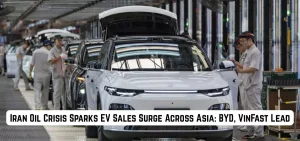
Chinese manufacturers are reshaping South Africa’s electric vehicle sales by introducing competitively priced electrified models.
Chery Group, Great Wall Motor (GWM), and BYD have expanded their offerings, attracting buyers priced out of the premium-focused electric vehicle segment.
These entrants are giving consumers options across hybrid, plug-in hybrid, and electric categories, increasing competition and strengthening awareness of alternative powertrains.
Petrol Prices Push Buyers Towards Electrification
Fuel affordability is another driver. Inland 95-octane petrol exceeded R30 per litre in October amid elevated international oil prices and supply disruptions.
Hiten Parmar, executive director of Electric Mission, has highlighted how higher fuel costs encourage consumers and fleet operators to consider the long-term financial advantages of electric mobility.
Savings, however, depend on vehicle prices, electricity tariffs, driving patterns, and charging access.
Charging Networks Support Market Growth
South Africa benefits from established automotive dealerships and an expanding public charging network, positioning it among sub-Saharan Africa’s developed electrified vehicle markets.
Nevertheless, charging availability and upfront costs remain considerations, especially for drivers choosing BEVs rather than hybrids.
October Car Market Also Records Double-Digit Growth
According to industry body NAAMSA, overall vehicle sales reached 61,890 units in October 2026, up 10.4% year on year.
This market growth provides encouraging context, although October’s total includes petrol and diesel vehicles and should not be confused with January–September NEV figures.
South Africa Electric Vehicle Sales: What Happens Next?
BEV sales declined 17% in 2025 compared with 2024, making the electrified market’s 2026 acceleration notable.
South Africa’s electric vehicle sales could benefit further from affordable models, charging coverage, and persistent fuel-price pressures. However, the surge is powered predominantly by hybrids and plug-in hybrids, not purely electric cars.

Related Articles: