Skoda’s electric vehicle roadmap for India has hit an unexpected pause. Despite receiving approvals nearly two years ago to introduce the Enyaq as a Completely Built Unit (CBU), the Czech automaker has chosen to delay its battery electric vehicle (BEV) rollout. Policy uncertainty, evolving government incentives, and ambiguity around future CAFE norms have made Skoda cautious, leading to a reassessment of timelines for Skoda BEVs for India.
Why the Enyaq and Elroq Are on Hold?
Skoda had initially planned a top-down strategy—launching premium CBUs like the Enyaq and Elroq first, before moving to more affordable, locally produced EVs. However, this approach is now on hold. The company’s stance remains unchanged since November 2024, when it confirmed that a budget EV would only arrive post-2027. Until then, Skoda BEVs for India will remain part of a long-term vision rather than an immediate product push.
Mid-Size Electric SUV: A Tough Segment
Skoda’s ultimate goal is to enter the competitive mid-size electric SUV space, targeting vehicles priced alongside the Hyundai Creta Electric, Tata Curvv EV, and Kia Carens Clavis EV. However, while the number of players in this segment has increased since late 2024, sales volumes have failed to scale. Many automakers are struggling to cross four-digit monthly sales despite positive consumer sentiment. A localized version of the Epiq compact eSUV could eventually address this gap, but timing remains uncertain for Skoda BEVs for India.
Global EV Policies and Market Shifts
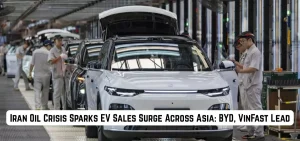
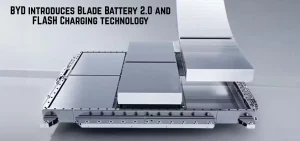
Globally, EV strategies are also evolving. Canada has eased certain EV tariffs on China, benefitting brands like Tesla and Volvo, while the Trump administration has proposed softer fuel economy rules and potential tariffs on European imports. Battery trends have shifted decisively toward Lithium Iron Phosphate (LFP) chemistry, which dominated global EV production in 2025. BYD has emerged as the world’s top EV seller, as Tesla reported its second straight annual sales decline.
Industry Moves That Shape India’s EV Landscape
Several automakers are recalibrating strategies. Mazda has delayed its first dedicated EV to 2029, focusing on hybrids. Tata Motors is pushing ahead aggressively, with the Harrier EV targeting 25,000 sales by March 2026 and 7,000 new chargers planned through a partnership with Bharat Petroleum. Toyota unveiled the Urban Cruiser Ebella EV for India, Kia showcased its affordable EV2, and Jaguar is doubling down on an all-electric luxury future.
Infrastructure Gains but Strategic Patience
Charging access is improving globally, with Porsche EVs gaining seamless access to Tesla Superchargers and electric trucks proving viable for most European use cases. Yet, Skoda’s careful wait-and-watch approach reflects a broader industry reality: electrification must align with policy clarity, infrastructure readiness, and sustainable demand. Until then, Skoda BEVs for India are set to arrive later than originally expected—but with sharper focus when they do.
Related Articles:-