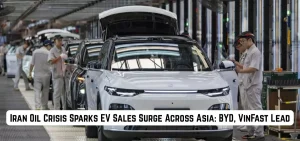
Electric vehicles (EVs) are often questioned for their sustainability, especially when the electricity used to charge them comes from fossil fuels. So, are EVs eco-friendly in reality? While traditional power grids may rely on coal and natural gas, EVs offer a unique advantage—they can be charged using solar and wind energy, making them completely green. Homeowners can install solar rooftop panels, a common and accessible solution, to generate clean electricity for charging their EVs.
The Indian government has already initiated the Solar Rooftop Scheme, encouraging households to adopt solar energy, further proving that are EV eco-friendly when powered by renewables. This shift not only reduces carbon footprints but also promotes energy independence. By utilizing sustainable sources, EV eco-friendly can transition from debate to reality, ensuring a cleaner future. Ultimately, are EV eco-friendly depends on how we choose to power them.
Are EVs Truly Green? Uncovering the Environmental Impact of Electric Cars
The global push for sustainability has placed electric vehicles (EVs) at the center of discussions about a cleaner and greener future. Governments, environmentalists, and car manufacturers have touted EVs as an environmentally friendly alternative to traditional gasoline and diesel-powered vehicles. With promises of zero emissions, reduced carbon footprints, and energy efficiency, EVs are positioned as the future of transportation.
But do EVs truly live up to the hype? Are they as eco-friendly as they claim to be, or do hidden environmental costs challenge their sustainability? This article takes a deep dive into the environmental impact of EVs, from production and usage to disposal, to determine whether they are genuinely a green revolution or just another marketing gimmick.
Using Petrol and Diesel vehicles is destroying our planet
The availability of fossil fuels is limited, and their use is destroying our planet. Toxic emissions from petrol and diesel vehicles lead to long-term adverse effects on public health.
The emissions impact of electric vehicles is much lower than petrol or diesel vehicles. From an efficiency perspective, electric vehicles can convert around 60% of the electrical energy from the grid to power the wheels, but petrol or diesel cars can only convert 17%–21% of the energy stored in the fuel to the wheels. That is a waste of around 80%. Fully electric vehicles have zero tailpipe emissions, but even when electricity production is taken into account, petrol or diesel vehicles emit almost 3 times more carbon dioxide than the average EV.
To reduce the impact of charging electric vehicles, India is ambitious to achieve about 40 percent cumulative electric power installed capacity from non-fossil fuel-based energy resources by the year 2030. Therefore, electric vehicles are the way forward for Indian transport, and we must switch to them now.
Benefits of Electric Vehicles (EVs)
Transport is a fundamental requirement of modern life, but the traditional combustion engine is quickly becoming outdated. Petrol or diesel vehicles are highly polluting and are being quickly replaced by fully electric vehicles. Fully electric vehicles (EV) have zero tailpipe emissions and are much better for the environment. The electric vehicle revolution is here, and you can be part of it. Will your next vehicle be an electric one?
| 1 |
Lower running costs |
- The running cost of an electric vehicle is much lower than an equivalent petrol or diesel vehicle. Electric vehicles use electricity to charge their batteries instead of using fossil fuels like petrol or diesel.
- Electric vehicles are more efficient, and that combined with the electricity cost means that charging an electric vehicle is cheaper than filling petrol or diesel for your travel requirements. Using renewable energy sources can make the use of electric vehicles more eco-friendly.
- The electricity cost can be reduced further if charging is done with the help of renewable energy sources installed at home, such as solar panels.
|
| 2 |
Low maintenance cost |
- Electric vehicles have very low maintenance costs because they don’t have as many moving parts as an internal combustion vehicle.
- The servicing requirements for electric vehicles are lesser than the conventional petrol or diesel vehicles. Therefore, the yearly cost of running an electric vehicle is significantly low.
|
| 3 |
Zero Tailpipe Emissions |
- Unlike internal combustion engine (ICE) vehicles that burn fossil fuels, EVs produce no tailpipe emissions. This eliminates major pollutants like carbon monoxide (CO), nitrogen oxides (NOx), and particulate matter (PM2.5), all of which contribute to air pollution, respiratory diseases, and climate change.
- Driving an electric vehicle can help you reduce your carbon footprint because there will be zero tailpipe emissions. You can reduce the environmental impact of charging your vehicle further by choosing renewable energy options for home electricity.
|
| 4 |
Tax and financial benefits |
Registration fees and road tax on purchasing electric vehicles are lesser than petrol or diesel vehicles. There are multiple policies and incentives offered by the government depending on which state you are in. To find out more about electric vehicle incentives, click below. |
| 5 |
Electric Vehicles are easy to drive and quiet |
Electric vehicles don’t have gears and are very convenient to drive. There are no complicated controls, just accelerate, brake, and steer. When you want to charge your vehicle, just plug it into a home or public charger. Electric vehicles are also quiet, so they reduce noise pollution that traditional vehicles contribute to. |
| 6 |
Convenience of charging at home |
- Imagine being at a busy fuel station during peak hours, and you are getting late to reach your workplace. These problems can easily be overcome with an electric vehicle.
- Simply plug your vehicle in at your home charger for 4-5 hours before you plan to go. If you can get a charger where you park, it is very convenient to plan your journeys. What if you forget to plug in your machine someday? Then you can easily take the help of fast chargers or even battery swapping services if you are on a two-wheeler on the road.
|
| 7 |
No noise pollution |
Electric vehicles have the silent functioning capability as there is no engine under the hood. No engine means no noise. The electric motor functions so silently that you need to peek into your instrument panel to check if it is ON. Electric vehicles are so silent that manufacturers have to add false sounds to make them safe for pedestrians. |
| 8 |
Energy Efficiency |
EVs are far more energy-efficient than gasoline-powered cars:
- EVs convert 77% of the energy from the grid into vehicle movement.
- Gasoline vehicles only convert about 12–30% of their fuel energy into motion.
This means EVs waste less energy and maximize power utilization, leading to lower overall environmental impact.
|
Battery Production: Environmental Impact in Remote Areas vs. ICE Vehicle Manufacturing
The production of electric vehicle (EV) batteries has a significant environmental impact, particularly in remote and less populated regions where raw material extraction takes place. However, when compared to internal combustion engine (ICE) vehicle manufacturing, the trade-off between sustainability and ecological damage becomes a key debate.
1. Environmental Impact of EV Battery Production in Remote Areas
The manufacturing of lithium-ion batteries, which power EVs, requires extensive mining of lithium, cobalt, and nickel—resources often extracted from isolated locations such as:
- The Lithium Triangle (Chile, Argentina, Bolivia) depletes groundwater and affects fragile ecosystems.
- Congo (cobalt mining): leads to deforestation and contamination of nearby rivers.
- Australia & Canada (Nickel and Lithium Mines): Creates large carbon footprints due to energy-intensive refining.
Since these operations occur in low-population areas, direct human health risks may be lower than urban pollution caused by ICE vehicles. However, long-term environmental degradation, soil erosion, and loss of biodiversity remain serious concerns.
2. ICE Vehicle Production: A Different Type of Environmental Harm
In contrast, ICE vehicle manufacturing has a widespread impact, mostly affecting industrialized and urban areas due to:
- High CO₂ Emissions: refining and transporting oil emits billions of tons of CO₂ annually.
- Air & Water Pollution: Oil drilling and fuel processing release toxins that harm nearby populations.
- Energy Consumption: ICE production consumes more energy per unit than EVs but has a lower mining impact.
3. The Green Comparison: Which is Worse?
- EV battery production damages remote ecosystems but has a lower lifetime carbon footprint.
- ICE Vehicle Production affects urban populations but continues to rely on fossil fuels indefinitely.
Ultimately, both have environmental costs, but EVs become more sustainable over time—especially if battery recycling technologies and ethical mining practices improve.
EVs Keep Cities Cleaner While ICE Vehicles Pollute the Air
One of the biggest advantages of electric vehicles (EVs) is their zero tailpipe emissions, making them a cleaner option for urban environments. Unlike internal combustion engine (ICE) vehicles, which emit harmful pollutants like carbon monoxide (CO), nitrogen oxides (NOx), and particulate matter (PM2.5), EVs help reduce air pollution and smog formation.
| How Do EVs Keep Cities Cleaner? |
- No Tailpipe Emissions: EVs do not release exhaust fumes, improving air quality.
- Reduces Smog and Respiratory Diseases: Lower pollution levels mean fewer health issues like asthma and lung infections.
- Quieter Cities: EVs produce less noise pollution, creating a more peaceful urban environment.
|
| How do ICE vehicles pollute cities? |
- Emit Harmful Gases: Gasoline and diesel cars release greenhouse gases that contribute to climate change.
- Cause Smog & Acid Rain: High NOx levels from ICE vehicles lead to smog and environmental damage.
- Increase Health Risks: Urban pollution from ICE vehicles leads to respiratory diseases and heart problems.
|
By replacing fossil fuel cars with EVs, cities can become cleaner, quieter, and healthier—helping to combat climate change while improving overall quality of life.
Powering EVs: Fossil Fuels or Renewable Energy? The Choice is Yours!
One of the biggest debates surrounding electric vehicles (EVs) is the source of the electricity that powers them. While critics argue that EVs are not truly green because a significant portion of electricity still comes from fossil fuels like coal and natural gas, there’s another side to the story—EVs have the unique advantage of being powered by renewable energy!
Unlike gasoline cars that are forever tied to oil and gas, EVs offer the flexibility to be charged using clean energy sources like solar and wind power. Homeowners can install solar rooftop panels, a common and increasingly affordable solution, to generate their own electricity and charge their EVs completely off the grid. This not only makes the EV’s operation 100% eco-friendly but also reduces dependence on traditional energy sources, cutting down carbon footprints drastically.
With advancements in solar energy, battery storage, and home charging stations, transitioning to a self-sufficient, sustainable EV lifestyle is more achievable than ever. The question isn’t whether EVs are green or not—it’s how green you choose to make them!
The Renewable Energy Advantage
Unlike gasoline-powered vehicles that are permanently dependent on oil and gas, EVs offer the unique flexibility of being powered by clean energy sources like solar and wind. This means:
- You Can Generate Your Power – With a solar rooftop system, you can create your zero-emission electricity at home.
- Affordable & Accessible – Solar panel prices have dropped significantly, and rooftop solar is a common and practical solution today.
- Complete Energy Independence – Charging your EV with solar or wind energy eliminates reliance on the grid, making your vehicle 100% eco-friendly.
Making EVs Fully Green at Home
- Install Solar Panels – Even a small solar setup can generate enough electricity to power an EV daily.
- Use Smart Energy Storage – Home battery systems like Tesla Powerwall store excess solar energy for nighttime EV charging.
- Opt for Renewable Energy Plans – If you don’t have solar panels, many electricity providers offer green energy plans sourced from wind or hydroelectric power.
Conclusion: The Final Thoughts
The debate on are EV eco-friendly revolves around the source of electricity used to power them. While EVs eliminate tailpipe emissions, their true environmental impact depends on whether they are charged using fossil fuel-based electricity or renewable energy. Critics argue that if electricity comes from coal or natural gas, EVs still contribute to carbon emissions.
However, are EVs eco-friendly if powered by clean energy? Absolutely! The biggest advantage of EVs is their ability to be charged using solar and wind power, making them 100% green. Homeowners can install small solar rooftop systems (smart investments in solar panels), which are increasingly affordable and common, to generate their electricity for EV charging.
This transition allows for complete energy independence and zero-emission transportation. Unlike gasoline cars that rely solely on fossil fuels, EVs provide the choice to go fully sustainable. By leveraging renewable energy sources, the answer to our EV eco-friendly becomes clear—they have the potential to be completely sustainable when charged the right way. As solar and wind energy continue to expand, are EV eco-friendly is no longer just a question, but a reality within reach. Ultimately, are EVs eco-friendly? The answer lies in how we choose to power them!
Related Articles:-