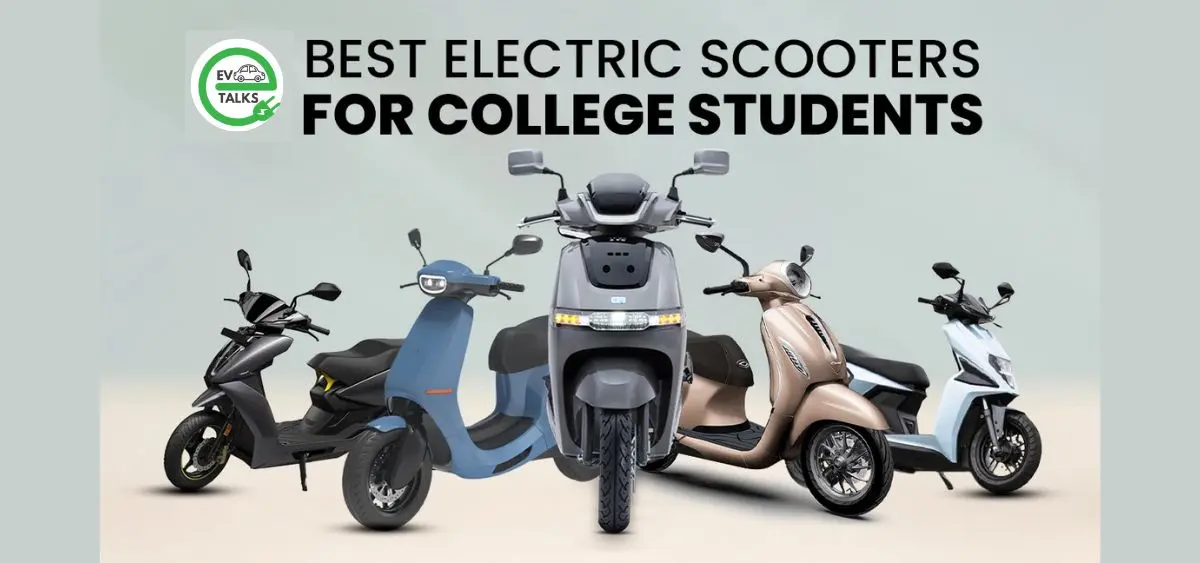

Electric scooters have become one of the smartest transportation choices for students in India. The best electric scooter for students combines affordability, low running costs, easy charging, safety, and practical daily usability.
Whether you’re a college student commuting 10–20 km daily, a hosteller looking for easy charging, or a parent searching for a safe mobility solution for your child, today’s electric scooters offer a compelling alternative to petrol-powered vehicles.
With rising fuel prices, growing charging infrastructure, and increasing EV adoption across India, student mobility is rapidly shifting toward electric transportation.
Why Are Electric Scooters Becoming Popular Among Students?
The average Indian student travels between 5 km and 25 km daily for classes, coaching centers, internships, libraries, and part-time jobs.
Electric scooters solve several challenges:
- High petrol expenses
- Traffic congestion
- Parking issues
- Daily commuting costs
- Environmental concerns
For many students, charging an EV costs less than ₹30–40 for an entire week of commuting.
Key Benefits
✔ Extremely low running costs
✔ Smooth and silent riding experience
✔ Easy charging at home or hostel
✔ Smart connectivity features
✔ Eco-friendly transportation
✔ Low maintenance requirements
✔ Modern styling and technology

Best Electric Scooter for Students in India with Price
The following scooters offer the best combination of affordability, practicality, performance, and ownership value.
| Scooter Model | Approx. Price (Ex-showroom) | Range | Top Speed |
|---|---|---|---|
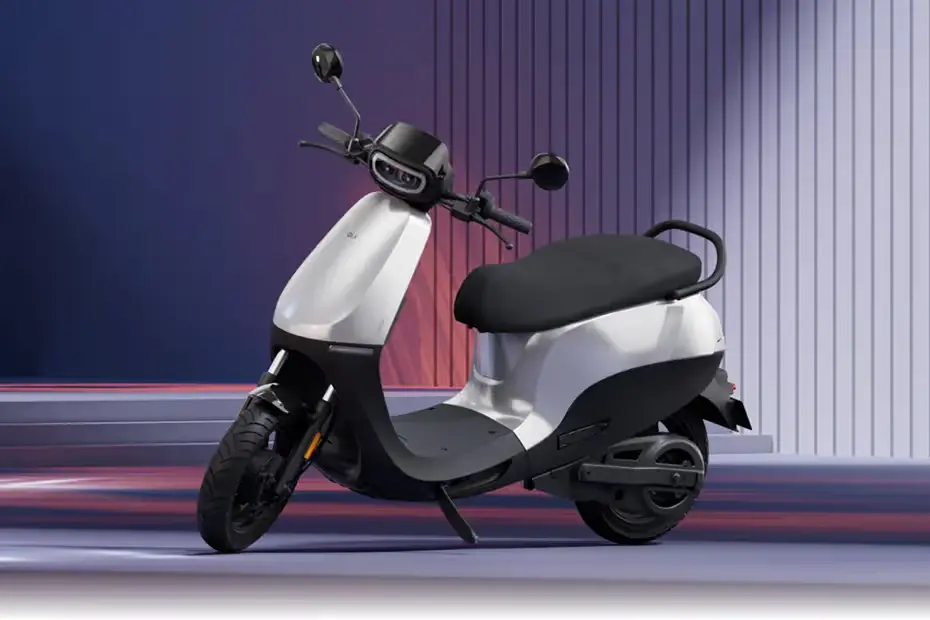
| Ola S1 X | ₹75,000–₹1.05 lakh | 95–190 km | 90 km/h |
| TVS iQube | ₹99,000–₹1.30 lakh | 94–150 km | 75 km/h |
| Ather Rizta | ₹1.10–₹1.45 lakh | 123–160 km | 80 km/h |
| Ather 450X | ₹1.40–₹1.70 lakh | 126–150 km | 90 km/h |
| Bajaj Chetak | ₹99,000–₹1.30 lakh | 120–150 km | 73 km/h |
| Hero Vida V2 | ₹95,000–₹1.35 lakh | 100–165 km | 90 km/h |
| Ampere Magnus EX | ₹80,000–₹90,000 | 80–100 km | 50 km/h |
| Komaki X-One | ₹45,000–₹65,000 | 60–100 km | 25 km/h |
| Okinawa PraisePro | ₹85,000–₹95,000 | 80–100 km | 56 km/h |
| Zelio Gracy i | ₹55,000–₹70,000 | 55–80 km | 25 km/h |
Prices may vary by state and dealership.
For more details, see the table below & choose the best one.
 | 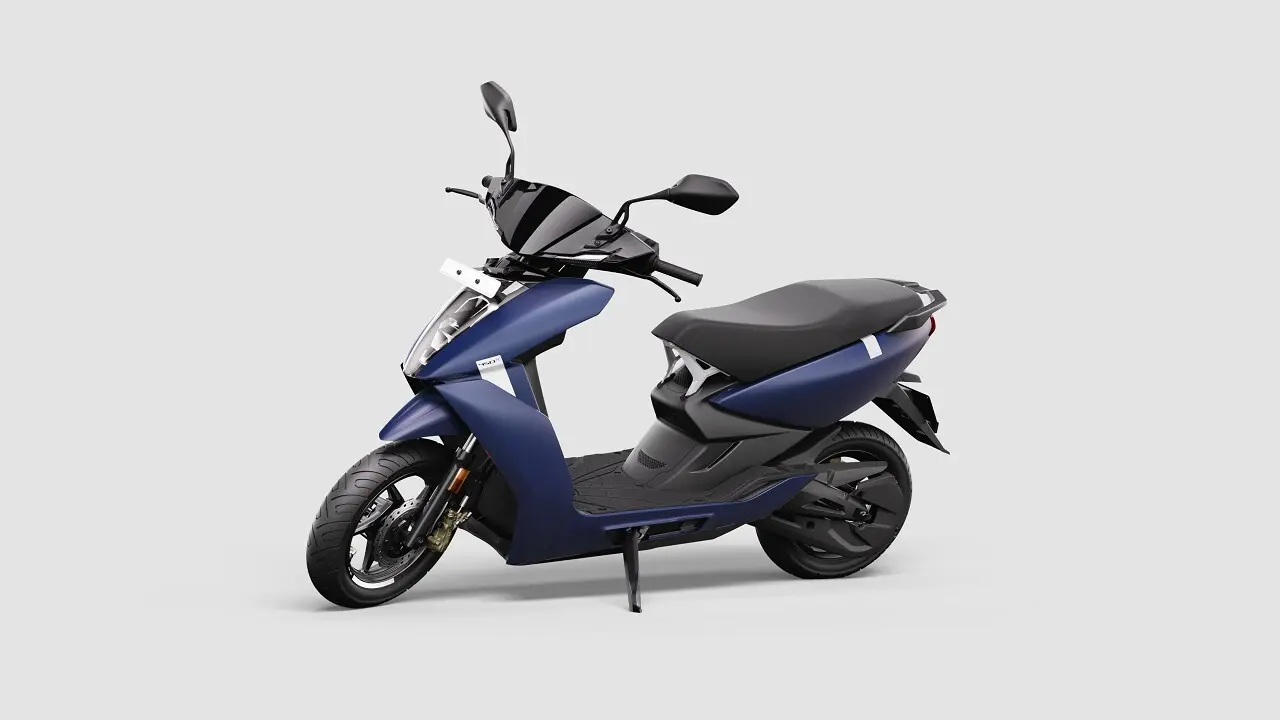 | 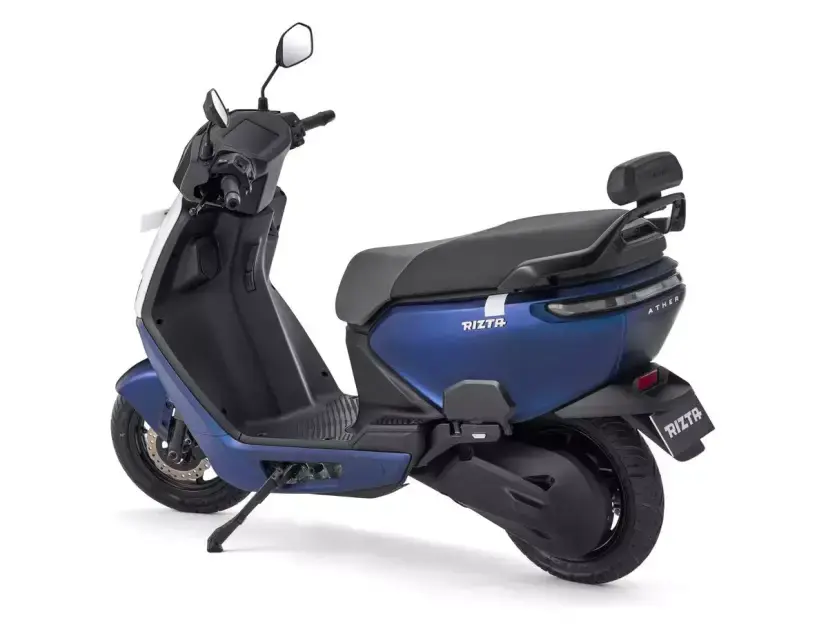 | 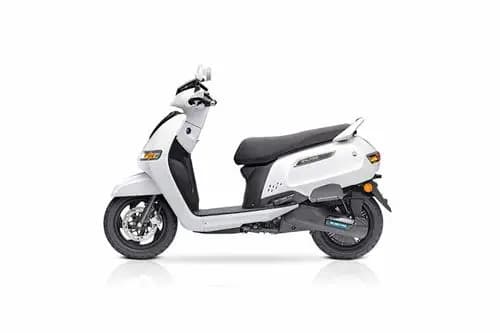 | 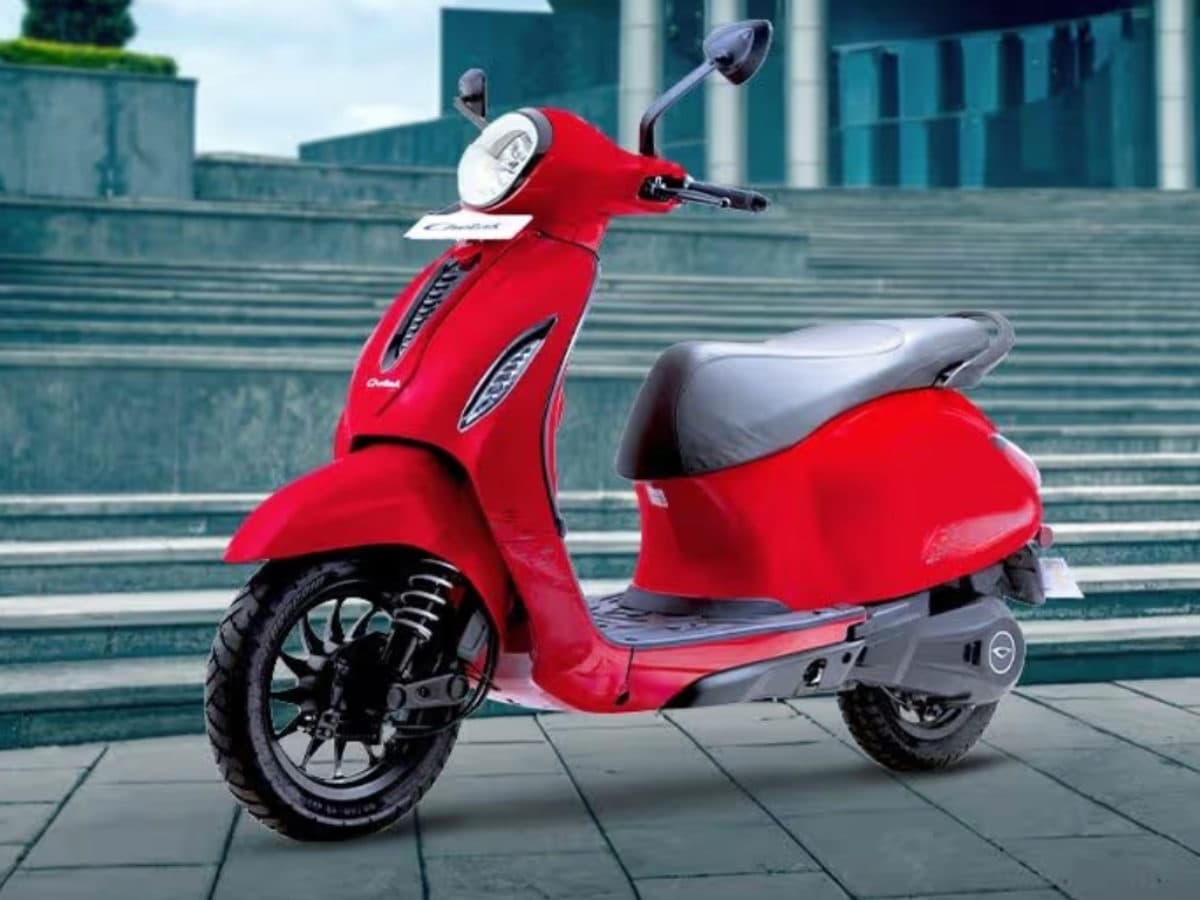 | 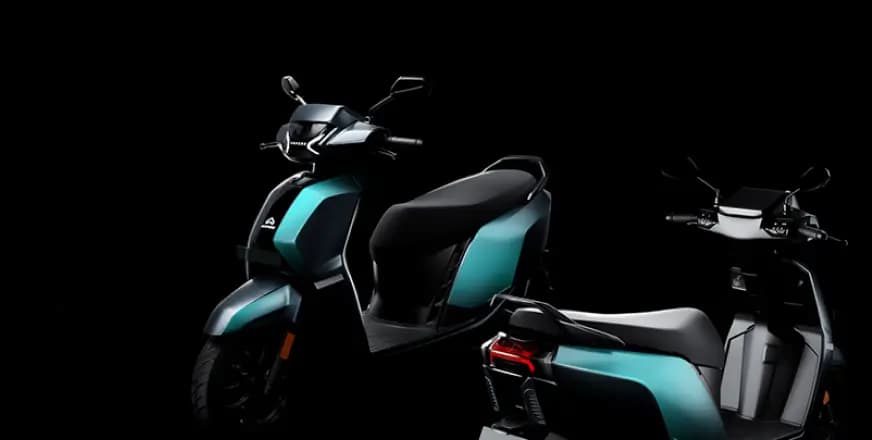 | 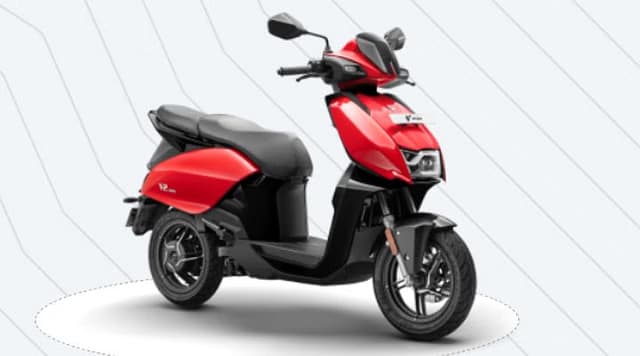 | 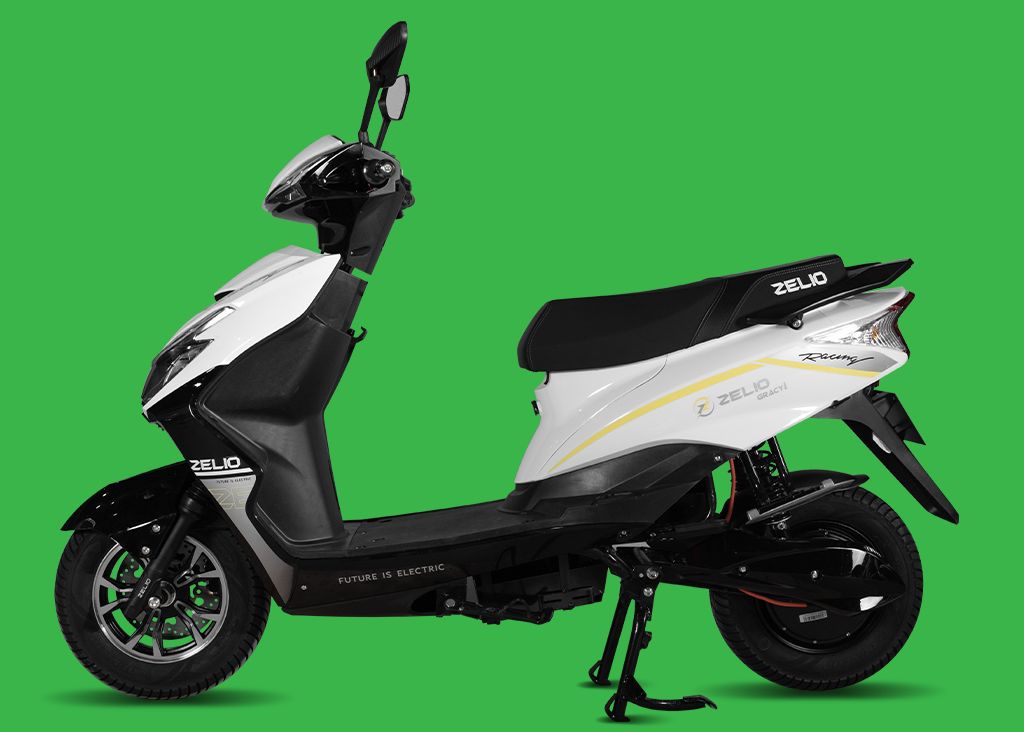 | 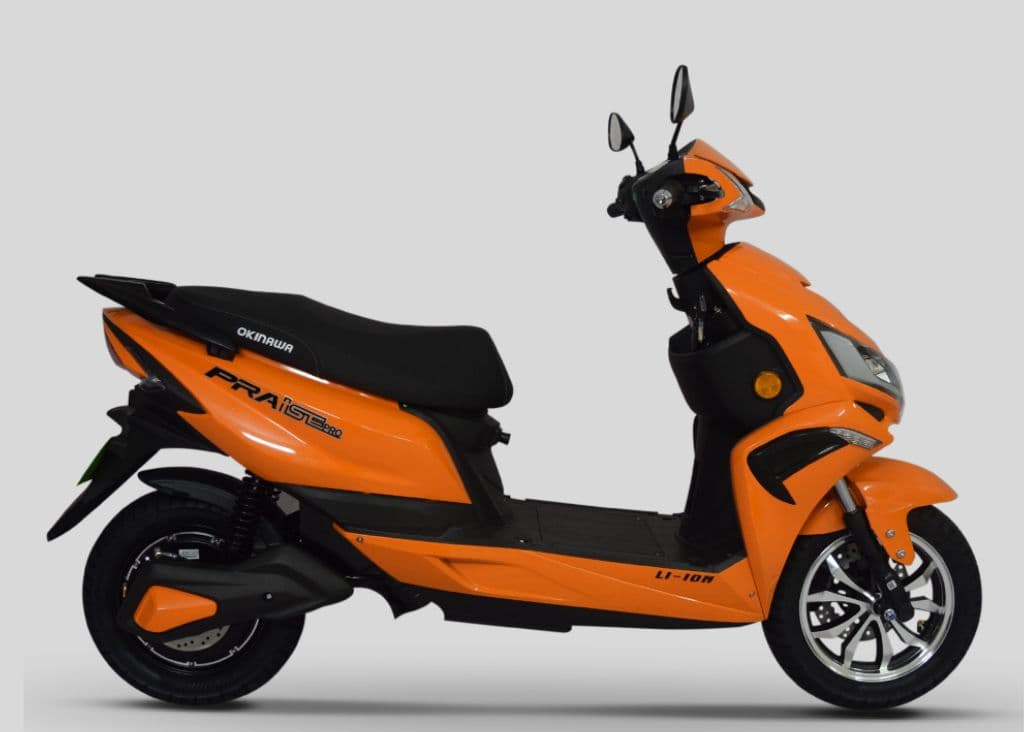 | |
| Name | Ola Electric S1 X 3rd Gen | Ather Energy 450S | Ather Energy RiztaS | TVS iQUBE | Bajaj Chetak 3001 | Ampere Electric Ampere Nexus | Hero MotoCorp Vida | Zelio E-Mobility Gracy i | Okinawa Autotech Praise Pro |
| Model | 2kWh | 2.9kWh | 2.9 KW | 2.2 kWh | 3 KW | EX 3 KWh | V2 PLUS 3.44 kWh | Lead Acid GEL 60V - 32AH | 2.08 kWh |
| Year | 2025 | 2023 | 2023 | 2025 | 2025 | 2024 | 2024 | 2025 | 2023 |
| Price | ₹84,999 | ₹1,29,999 | ₹1,20,046 | ₹1,14,000 | ₹1,09,038 | ₹1,19,900 | ₹1,17,000 | ₹55,309 | ₹84,443 |
Brakes ⯆ | |||||||||
| Braking System (ABS/CBS) | CBS | Combined braking system & regenerative braking | CBS | CBS | Combined Braking System (CBS) | CBS | Combi Braking System (CBS) | Electronic-Assisted Braking System (E-ABS) | |
| Front Brake Type | Drum | Triple-piston calliper disc | Disc brakes | 220mm Disc | Drum | Disc | Disc | Disc | |
| Rear Brake Type | Drum | Single-piston calliper disc | Drum with CBS | 130mm Drum | Drum | Drum | Drum | Disc | |
Pricing ⯆ | |||||||||
| Ex-showroom price | 84999 | 129999 | 120046 | 114000 | 109038 | 119900 | 117000 | 55309 | 84443 |
Suspension & Frame ⯆ | |||||||||
| Front suspension | Twin telescopic | Telescopic forks | Telescopic | Telescopic | Single-sided leading link suspension | Hydraulic Telescopic | Telescopic | Hydraulic Telescopic | |
| Rear suspension | Mono Shock | Symmetrically mounted progressive monoshock | Monoshock | Adjustable, Hydraulic twin tube shock absorber | Monoshock | Dual Shock | Hydraulic | Double Shocker with Dual Tube Technology | |
| Frame type | Tubular & Sheet metal | Precision machined hybrid chassis | Tabular Structure | 4x Strong High Ultimate Tensile Strength Chassis SPFH 590 | Underbone/Scooter Frame | Underbone | |||
| Frame materials | Aluminium and steel | 4x stronger exoskeleton | High-strength steel | Tubular Steel | |||||
Transmission ⯆ | |||||||||
| Type | Automatic | Belt drive | Automatic | Automatic | Automatic | Automatic | Automatic | Automatic | |
| Transmission ratio | 7.8:1 | Single gear ratio | |||||||
Peripherals & convenience ⯆ | |||||||||
| Headlights | LED | LED | LED | LED | LED | LED | LED with Projector | LED | LED |
| Tailights | LED | LED | LED | LED | LED | LED | LED | LED | LED |
| Indicators | LED | LED | LED | LED | LED turn signal lamps | All Tell-tale & Warning indicators | LED | LED | LED winkers/indicators |
| Park Assist | Yes, Reverse/Forward | Yes, "Motor Walk Assist" | |||||||
| Side stand motor cut-off | |||||||||
| Pillion grab handle | Aluminium | ||||||||
| Reverse mode | |||||||||
| Side Stand Alert | |||||||||
| Pillion backrest | |||||||||
| Number Plate Lamp | Yes, LED | LED | |||||||
| Signature Position Lamp | Yes, LED | LED | |||||||
| Illuminating Logo | Yes, LED | ||||||||
| DRLs | LED | LED | |||||||
Features ⯆ | |||||||||
| Navigation | Turn by turn | Turnbyturn | Turn by Turn | ||||||
| Digital Storage | 8GB | 8GB | |||||||
| App Control | Yes, Bluetooth | ||||||||
| Tow & Theft Notifications | Anti-Theft Alarm | ||||||||
| Find my scooter | |||||||||
| Ride Stats | |||||||||
| Push Navigation | |||||||||
| Inter-city Trip Planner | |||||||||
| OTA Updates | |||||||||
| Riding modes | Sports, Normal & Eco | SmartEco™ | Eco | Ride | Sport | Zip™ mode (Default), SmartEco™ | Eco and Power Mode | Yes, Eco & Sports | 5 (Eco, City, Power, Limp Home, and Reverse) | Eco | Ride | Sport | Yes. Features Eco, Sports, and a temporary Turbo mode. | |
| TrueRange Display | SmartEco™ - 90 km | Eco - 85 km | Ride - 75 km | Sport - 70 km | SmartEco™-100 km | |||||||
| Interactive UI | |||||||||
| Dashboard auto brightness | Yes, Adaptive | ||||||||
| AutoHold | |||||||||
| Auto Indicator cut-off | |||||||||
| Guide-me-home lights | |||||||||
| Vehicle FallSafe | |||||||||
| Coasting regeneration | |||||||||
| Emergency Stop Signal (ESS) | |||||||||
| Call & Music control | No Music control | Yes, With TecPac | Incoming call Alerts | ||||||
| Ping my scooter | |||||||||
| Alexa Skills | |||||||||
| WhatsApp on dashboard | |||||||||
| Ride Stories | |||||||||
| Share live location | |||||||||
| Cruise Control | |||||||||
| GPS Connectivity | |||||||||
| Remote Boot Unlock | |||||||||
| Advanced Regen | |||||||||
| Mobile Phone Connectivity | |||||||||
| Regenerative Braking | Yes. Equipped with E-ABS | ||||||||
| GSM Connectivity | Yes, Via server | ||||||||
| TCU (Telematic Control Unit) | |||||||||
| HMI Joystick | |||||||||
| Voice Assist | |||||||||
| Distance to Empty (DET) | |||||||||
| Geofencing | |||||||||
| Hill Hold | |||||||||
| TPMS | |||||||||
| Limphome mode | |||||||||
| USB Port | |||||||||
Warranty ⯆ | |||||||||
| Scooter Warranty | 3 yrs/40,000 km | 3years/30 000 km | 3 years or 50,000 km | 5yrs/50,000 km | 2 years | 3 Years / 30,000 Km | |||
| Battery Warranty | 3 year or 50,000 km | 5 years or 60,000 km | 3years/30 000 km | 3 years or 50,000 km | 3 years or 50,000 km | 5 years / 75,000 km | 3yrs/30,000 km | 1-year | 3 Years |
| Charger Warranty | 3years | 3 Years | |||||||
Dashboard ⯆ | |||||||||
| Processor | Snapdragon 212 Quadcore 800Mhz | CortexSeries | CAN-enabled Powertrain controller | ||||||
| Digital Storage | 8GB | 8GB | |||||||
| RAM | 1GB | 1GB | |||||||
| Operating system | Android Open Source OS (AOSP) | Real Time Operating System (RTOS) | Yes, Nex.io | ||||||
| Screen size & type | 17.7 cm (7”) DeepView™ Display | 17.7 cm (7") DeepView™ Display | 17.78 cm TFT Touch Display | 6.2-inch | OTA enabled 7" TFT with Touch display (with dark and auto mode) | Fully Digital Display | Digital Speedometer | ||
| Touchscreen type | DeepView™ Display | TFT Touch | Coloured LCD Display | 6.2-inch | TFT screen with touch functionality | ||||
| Resolution | 800 * 480 PIXELS | ||||||||
| Colours | Terracotta Red Mono Siachen White Mono Deccan Grey Mono Pangong Blue Mono | Walnut Brown, Titanium Grey, Pearl White, Starlight Blue-Beige, Copper Brown-Beige, Celebration Orange | 5 | 4 | 6 | ||||
| Brightness | 500 Nits | 1000 LUX | Standard illuminated display | ||||||
| Aspect ratio | 5:3 | ||||||||
| Water & dust resistance | IPX7 | IPX7 | IP67 | ||||||
| Key Type | Physical Key | Normal | Mechanical | Keyless Drive/Remote Key | Remote Start/Push Button Start with Keyless Entry | ||||
| Instrument Cluster | 4.3 inch segmented colour LCD | TFT Touch / 17.78cm Display | Digital | ||||||
| Flip Key with LED Light | |||||||||
Dimensions & storage ⯆ | |||||||||
| Length | 1900 mm | 189.1 cm | 185cm | 1805 mm | 1914 mm | 712 mm | 1970 | ||
| Width | 820 mm | 73.9 cm | 75cm | 645 mm | 715 | ||||
| Height | 1272 mm | 111.4 cm | Ti4em | 1140 mm | 765 mm | 1165 | |||
| Wheelbase | 1359 mm | 129.6 cm | 1285cm | 1301 mm | 1355 mm | 1319 mm | 1301 mm | 1290 | |
| Ground clearance | 160 mm | 17 cm | 15cm | 157 mm | 170 mm | 155 mm | 175 | ||
| Seat height | 791 mm | 78 cm | 78cm | 770 mm | 775 mm, Black Rexene Seat | 765 mm | 777 mm | 800 | |
| Kerb weight | 105 kg | 108 Kg | 125kg | 132 kg | 128 kg | 124 kg | 85 kg | 109 | |
| F:R weight ratio | 48:52 | ||||||||
| Water wading limit | 30 cm | 40cm | 150mm | ||||||
| Boot storage | 34L | 22L | 34L | 30 L | 35 L | 24 L | 27.2 L | 7 Liters | |
| Front Storage | 5 L | 6.1 L | |||||||
| Pillion Seat height | 765 mm | ||||||||
| Pilion Backrest | |||||||||
Tyres & wheels ⯆ | |||||||||
| Wheel type | Steel | Alloy wheels | Alloy rim | Alloy | Alloy | Alloy | Alloy | Alloy | Alloy wheels |
| Wheel size (front) | 12 inch | 30.4 cm x 5.4 cm (12”x 2.15”) | 30.4cmx5.4.cm (12'x215") | 304.8 mm | 12 inch | 304.8 mm | 12" | 12 inches | 12-inch |
| Wheel size (rear) | 12 inch | 30.4 cm x 6.3 cm (12”x 2.5”) | 30.4cmx5.4.cm (12'x215") | 304.8 mm | 12 inch | 304.8 mm | 12" | 12-inch | |
| Tyre size (front) | 90/90 - R12 | 90/90-12 tubeless tyres | 90/90-12 tubeless tyres | 90/90-12 | 90/90 - 12 | 90/90-12 | 90-90/12 | 90/90-12 | |
| Tyre size (rear | 90/90 - R12 | 90/90-12 tubeless tyres | 100/80-12 tubeless tyres | 90/90-12 | 90/100 - 12 | 90/90-12 | 90-90/12 | 90/90-12 | |
| Tyre Type | Tubeless | Tubeless | Tubeless | Tubeless | |||||
Charging Info ⯆ | |||||||||
| Home Charging (0-80%) | 4 hrs 50 mins | 5 hr 30 min | 6hr30 min | 2 h 45 m | 3 hr 50 m | 5 h 55 min | Approx. 1.5 to 2 hours | ||
| Home Charging (0-100%) | 7 hr 45 min | 8hr30 min | Approx 3.3 hrs | Approx. 7-9 hours | Approx. 2 to 3 hours | ||||
| Charging Network | |||||||||
| 0-50% SOC | Recharge 15km in 10 min | Approx. 45 minutes to 1 hour. | |||||||
| 50-80% SOC | Approx. 45 minutes to 1 hour. | ||||||||
| Charger Type and Capacity | Portable 350 W | Off-board Portable Charger | Portable 750W off-board charger | 15 A, Portable Charger | Portable Micro-Charger with Auto-Cut function | ||||
Battery ⯆ | |||||||||
| Installed capacity | 2 kWh | 2.9 kWh | 2.9 KW | 2.2 kWh | 3 KW | 3 kW-h 51.2 V LFP | 3.44 kWh | 60V - 32AH | 2.08 kWh |
| Battery type | Lithium Ion | Lithium-ion | Lithium-ion | Lithium Ion Battery | Lithium-ion | Lithium-ion | Removable | Lead Acid GEL | Lithium-ion |
| Rated voltage | 51.1 V | 52V | 48V | 3.3 | 4.0 kW | 60V | 72V | |||
| Water & dust resistance | IPX7 | IPX7 | IP67 | ||||||
| Pack casing | Aluminium alloy | High Pressure Die Cast Aluminium Casting | Hardened ABS plastic and metal alloy | ||||||
| BMS Controlled | |||||||||
| Battery Level and Low Battery Indicator | |||||||||
Range ⯆ | |||||||||
| ARAI IDC Range | 108 km | 122 km | 123 km | 94 km | 127 km | 136 km | 143 km | 60 KM/CHARGE | 81 km/Charge |
| Real World Range | 66 km | 100 km | |||||||
Performance ⯆ | |||||||||
| Motor Power (Nominal/Peak) | 5.5 kW/7 kW | 5.4 kW | 4.3 KW | 3KW/4.4kW | 2.5 kW/3.1 kW | 4.0 kW | 6 kW | 60V | 1,000 W (Nominal) / 2,700 W (Peak) |
| Max torque | 22 Nm | 22 Nm | 33Nm/140Nm | 20 Nm | 35 Nm | 25 Nm | |||
| Top speed | 101 km/h | 90 km/h | 80 Km/h | 75 km/h | 63 km/h | (Power, City, Eco) | (93, 63, 42 km/h) | 85 km/h | 25 km/h | 56 km/h |
| Acceleration (0-40 km/h) | 3.4 sec | 3.9 s | 4.7 s | 4.2 Sec | 4 seconds | 3.4 sec | 7–8 seconds | ||
| Gradeability at peak power | 14 Deg | 18 degrees | 15 degrees | 10 Degrees | 16 degrees | 18 degree | 7 degrees | ||
| Motor type | Mid Drive IPM | PMSM | PSSM | BLDC Hub mounted Type | BLDC (Brushless Direct Current) hub-mounted motor. | Mid-mount motor | PMSM | BLDC Hub Motor. | BLDC (Brushless DC) Hub Motor. |
| Motor IP Rating | IP66 | IP66 | IP67 | IP67 | IP67 | IP 68 | IP65 | IP65 | |
| Controller IP Rating | IP65 | IP67 | IP67 | IP67 | IP65 | ||||
| Battery IP Rating | IP67 | IP67 | IP67 | IP67 | IP67 | IP 67 | IP65 | IP65 | |
| Charger IP Rating | IP67 | IP65 | IP20 to IP21 | ||||||
Which Electric Scooter Is Best for College Students?
The answer depends on your daily usage.
For Budget-Conscious Students
1. Ola S1 X
Why it stands out:
- Competitive pricing
- Excellent range
- Smart features
- Low ownership cost
Ideal for:
- Daily city commuting
- College students
- First-time EV buyers
For Hostel Students
1. Hero Vida V2
The removable battery is a game-changer.
Benefits:
- Charge inside hostel rooms
- No dedicated parking charger required
- Convenient battery swapping options
For Technology Lovers
1. Ather 450X
Features include:
- Google Maps navigation
- Touchscreen dashboard
- Ride analytics
- OTA software updates
Students who enjoy technology often consider this among the most advanced electric scooters available today.
For Reliability
1. TVS iQube
TVS has built a strong reputation among Indian families.
Advantages:
- Excellent service network
- Comfortable ride quality
- Dependable performance
- Good resale value
What Makes a Good Student Electric Scooter?
Before buying, evaluate these factors carefully.
1. Range
Range determines how far the scooter can travel on one charge.
For students:
- Minimum: 60 km
- Ideal: 100–150 km
This allows multiple days of commuting without charging.
2. Charging Convenience
This is often overlooked.
Ask yourself:
- Can I charge at home?
- Do I live in a hostel?
- Is the parking equipped with power outlets?
If charging access is limited, choose scooters with removable batteries.
Examples:
- Hero Vida
- Ampere Magnus
- Several low-speed models
3. Running Cost
One of the biggest EV advantages.
Monthly Cost Comparison
| Vehicle Type | Monthly Distance | Approximate Fuel/Energy Cost |
|---|---|---|
| Petrol Scooter | 500 km | ₹1,000–₹1,500 |
| Electric Scooter | 500 km | ₹100–₹250 |
Students can save thousands of rupees annually.
4. Safety Features
Look for:
- Combined braking systems
- Disc brakes
- Hazard lights
- Reverse mode
- Anti-theft alarms
- Side-stand sensors
Safety should never be compromised for price.
5. Storage Space
Students frequently carry:
- Laptops
- Books
- Backpacks
- Sports equipment
Family-oriented scooters like the Ather Rizta provide larger storage capacity.
Best Low-Speed Electric Scooters for School Students
Students below driving-license age may prefer low-speed electric scooters.
These scooters:
- Have speeds below 25 km/h
- Do not require registration
- Usually do not require a driver’s license under current regulations
Popular Options
1. Komaki X-One
- Affordable pricing
- Lightweight design
- Easy handling
2. Zelio Gracyi
- Compact and practical
- Suitable for short-distance commuting
3. Joy e-bike Gen Next Nanu
- Beginner-friendly
- Simple operation
4. Joy e-bike Glob
- Lightweight
- Efficient urban mobility
Common Mistakes Students Make While Buying an Electric Scooter
Many buyers focus only on price. That can be costly later.
Mistake #1: Ignoring Service Network
A cheap scooter with poor service support can become frustrating.
Always check:
- Service center availability
- Spare parts accessibility
- Brand reputation
Mistake #2: Overestimating Range
Manufacturers often quote ideal test conditions.
Real-world range may vary due to:
- Rider weight
- Traffic
- Road conditions
- Weather
Always expect a 15–25% variation.
Mistake #3: Ignoring Charging Infrastructure
Hostellers frequently discover charging challenges after purchase.
Verify charging arrangements before buying.
Mistake #4: Choosing More Speed Than Needed
Most student commutes happen in urban traffic. A 70–80 km/h scooter is sufficient for most users.
Battery Technology: What Students Should Know
The battery is the most expensive EV component.
Most modern scooters use:
Lithium-Ion Batteries
Advantages:
- Longer life
- Faster charging
- Better efficiency
- Lower maintenance
Expected lifespan:
- 5–8 years
- 1,000–2,000 charging cycles
How Much Does Charging Cost?
The charging cost of an electric scooter depends on the battery size and your local electricity tariff. Assuming an average residential electricity rate of ₹8 per unit (kWh), here’s a practical comparison:
| Battery Capacity | Typical Range (IDC) | Electricity Needed for Full Charge | Charging Cost (@ ₹8/kWh) | Cost Per Km |
|---|---|---|---|---|
| 1.5 kWh | 60–80 km | 1.5 units | ₹12 | ₹0.15–₹0.20 |
| 2.0 kWh | 80–100 km | 2.0 units | ₹16 | ₹0.16–₹0.20 |
| 3.0 kWh | 100–130 km | 3.0 units | ₹24 | ₹0.18–₹0.24 |
| 3.5 kWh | 120–150 km | 3.5 units | ₹28 | ₹0.19–₹0.23 |
| 4.0 kWh | 150–200 km | 4.0 units | ₹32 | ₹0.16–₹0.21 |
Monthly Charging Cost for Students
Assuming a student travels 500 km per month:
| Vehicle Type | Monthly Distance | Approx Monthly Energy/Fuel Cost |
|---|---|---|
| Electric Scooter | 500 km | ₹100–₹250 |
| Petrol Scooter (50 km/l, Petrol ₹100/l) | 500 km | ₹1,000 |
| Petrol Motorcycle (60 km/l, Petrol ₹100/l) | 500 km | ₹830 |
Government Incentives and EV Policies in India
India continues to support EV adoption through multiple initiatives.
Key Support Mechanisms
- State EV subsidies (varies by state)
- Reduced registration fees
- Road tax exemptions in some regions
- Public charging infrastructure expansion
While the original FAME program accelerated adoption, current policies increasingly focus on domestic manufacturing and broader EV ecosystem development.
Charging Infrastructure Growth in India
India’s charging network has expanded significantly in recent years.
Key developments include the following:
- Fast chargers on highways
- Urban charging hubs
- Mall charging stations
- Residential charging solutions
- Campus charging initiatives
Major cities now offer increasing charging accessibility.
For most students, however, home charging remains the most practical solution.
Sustainability Impact: Why Students Are Leading the EV Revolution
Young Indians are becoming increasingly environmentally conscious.
An electric scooter contributes to:
- Lower urban pollution
- Reduced fossil fuel consumption
- Cleaner campuses
- Lower carbon emissions
Students adopting EVs today are helping shape India’s future mobility ecosystem.
Future Trends in Student Electric Mobility
Several exciting developments are emerging.
Battery Innovations
Future batteries may offer:
- Faster charging
- Longer range
- Better durability
Connected Mobility
Features becoming common include:
- AI-powered diagnostics
- Theft tracking
- Predictive maintenance
- Smartphone integration
Affordable EV Financing
Student-friendly financing options are becoming more accessible across India.
Expert Insight from Electric Vehicle Talks
At Electric Vehicle Talks, our analysis of the Indian EV market shows that student buyers prioritize three factors above everything else:
- Affordability
- Charging convenience
- Long-term reliability
While premium scooters like the Ather 450X and Ola S1 range attract technology enthusiasts, practical buyers often achieve better ownership satisfaction with dependable models such as the TVS iQube, Bajaj Chetak, and Hero Vida.
Our observation is that removable battery technology will play a major role in future student EV adoption, especially among hostel residents and apartment dwellers who lack dedicated charging infrastructure.
Students should evaluate total ownership cost rather than simply comparing purchase prices. A scooter with better battery quality, service support, and reliability often proves more economical over five years of ownership.
For more EV buying insights and ownership resources, readers can explore educational content on Electric Vehicle Talks.
Best Electric Scooter for Adults in India vs Students
| Factor | Students | Adults |
|---|---|---|
| Priority | Affordability | Performance |
| Daily Distance | 5–25 km | 20–60 km |
| Budget | Lower | Higher |
| Charging Access | Hostel/Home | Home/Office |
| Preferred Features | Storage, Smart Features | Range, Speed |
Many scooters work well for both categories, making them suitable as the best electric scooter for adults in India and students alike.
People Also Ask
Which is the best electric scooter for students in India?
The best electric scooter for students in India depends on budget and needs. Popular choices include Ola S1 X, TVS iQube, Ather Rizta, Hero Vida V2, and Komaki X-One for budget-focused buyers.
Can students ride electric scooters without a license?
Yes. Electric scooters with a top speed below 25 km/h and limited power output generally do not require a driver’s license or registration under current Indian regulations.
What is the average running cost of an electric scooter?
Most electric scooters cost approximately ₹0.15–₹0.30 per kilometre to operate, making them significantly cheaper than petrol scooters.
Which electric scooter is best for hostel students?
Hero Vida V2 and Ampere Magnus are excellent choices because of their removable batteries, allowing convenient indoor charging.
How long does an electric scooter battery last?
Most lithium-ion batteries last between 5 and 8 years, depending on usage patterns, charging habits, and maintenance.
Is an electric scooter good for daily college commuting?
Absolutely. Electric scooters are ideal for daily commuting because they offer low running costs, easy maneuverability, minimal maintenance, and environmental benefits.
Which electric scooter has the highest range for students?
The Ola S1 Pro currently offers one of the highest ranges among mainstream electric scooters, making it suitable for students who travel longer distances regularly.
FAQs about the Best Electric Scooter for Students in India
What is the best electric scooter for students under ₹1 lakh?
TVS iQube base variants, Ola S1 X, Ampere Magnus EX, and Komaki X-One are among the best options under ₹1 lakh.
Which electric scooter is best for beginners?
Low-speed scooters like Komaki X-One, Zelio Gracy i, and Gen Next Nanu are excellent beginner-friendly choices.
Are electric scooters cheaper than petrol scooters?
Yes. Electric scooters typically cost 70–90% less to run compared to petrol scooters.
Can I charge my electric scooter in a hostel?
Yes, provided charging is permitted. Scooters with removable batteries are particularly convenient for hostel residents.
What range should a student look for in an electric scooter?
A practical range of 80–120 km is sufficient for most student commuting requirements.
Which electric scooter offers the best value for money?
The TVS iQube, Ola S1 X, and Ather Rizta currently offer some of the strongest value propositions in their respective segments.
Conclusion
The best electric scooter for students is no longer just about saving fuel money—it’s about embracing a smarter, cleaner, and more connected way of commuting. With India’s EV ecosystem maturing rapidly, students now have access to a wide range of options, from budget-friendly low-speed scooters to premium smart electric vehicles packed with technology.
For most buyers, the ideal choice balances affordability, charging convenience, range, reliability, and service support. Models like the TVS iQube, Ola S1 X, Ather Rizta, Hero Vida V2, and Bajaj Chetak continue to stand out in 2026 for their strong ownership experience and practical value.
To stay updated on the latest EV launches, ownership guides, charging insights, and electric mobility trends, explore more expert content from Electric Vehicle Talks and continue your journey toward smarter, sustainable transportation.
Related Article: