Maharashtra is stepping up its electric mobility push with plans to expand charging infrastructure across state-run transport facilities. Maharashtra to expand EV charging network at Maharashtra State Road Transport Corporation (MSRTC) depots and Regional Transport Office (RTO) premises across the state, Transport Minister Pratap Sarnaik announced on Monday.
The proposal was highlighted during an event at the Tardeo RTO in central Mumbai, where Tata Motors’ electric trucks were flagged off. The government believes wider access to charging infrastructure will help reduce range anxiety, encourage EV adoption, and support the transition towards cleaner public transportation.
EV Chargers Planned at Depots and RTOs
Under the proposed plan, existing spaces at MSRTC depots and RTO premises will be developed into charging hubs accessible to private and commercial electric vehicles. Maharashtra to expand EV charging network by using government-owned land and existing transport hubs could significantly improve charging accessibility across urban and regional areas.
The state is also planning charging infrastructure at new conventional fuel outlets developed on MSRTC land. Under the proposed public-private partnership (PPP) model, such facilities would be required to provide EV charging alongside petrol, diesel and CNG services.
Flyovers Could Become EV Charging Hubs
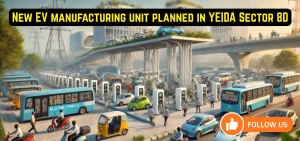
Maharashtra is also exploring a new concept of installing EV chargers beneath flyovers. Sarnaik said vacant spaces managed by agencies such as MMRDA, MSRDC and PWD could be handed to MSRTC or the RTO department for developing charging stations through PPP arrangements.
The minister has already written to Chief Minister Devendra Fadnavis seeking approval for the proposal. Once cleared, the project is expected to be expedited. Maharashtra to expand EV charging network through underutilised public spaces could add another layer to the state’s charging ecosystem.
MSRTC Targets 100% Electric Fleet by 2036
The charging expansion is closely linked to MSRTC’s ambitious electrification target. While the national vision aims for complete EV adoption by 2047, Sarnaik said MSRTC intends to convert its entire bus fleet to electric by 2036.
The corporation has already finalised agreements for 5,150 electric buses, with more than 900 reportedly operational. An initial network of 172 fast-charging points is also planned to support fleet operations.
Highway Charging and Depot Modernisation
The Maharashtra EV policy calls for fast chargers at bus depots and a highway charging network at intervals of around 25 kilometres. The state has also allocated ₹200 crore for modernising bus ports, charging infrastructure and commuter facilities.
With chargers planned across depots, RTOs, highways, fuel stations and potentially flyovers, Maharashtra to expand EV charging network marks a major step toward building the infrastructure needed for electric buses, trucks and private EVs.

Related Articles: