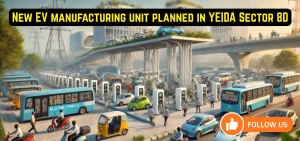
India’s electric vehicle (EV) revolution is gaining momentum, with ambitious goals to transform the country’s transportation sector. As we move towards 2030, key trends indicate a rapid shift towards cleaner, more sustainable mobility.
Growing EV Adoption
Government initiatives, subsidies, and a rising awareness of sustainability are pushing more people towards EVs. The Faster Adoption and Manufacturing of Electric Vehicles (FAME) scheme and state incentives are making EVs more affordable for the masses.
Advancements in Battery Technology
Battery costs have been a major barrier to EV adoption, but with ongoing research, solid-state and lithium-ion batteries are becoming more efficient and affordable. Improved battery life and faster charging solutions will further boost EV demand.
Charging Infrastructure Expansion
One of the biggest challenges for EV growth in India is the lack of widespread charging stations. However, the government and private players are rapidly working on expanding the charging network, making EV ownership more convenient.
Rise of Domestic Manufacturing
India is focusing on local manufacturing to reduce dependency on imports. Companies like Tata Motors, Mahindra, and Ola Electric are leading the way, while global brands like Tesla and BYD are also eyeing the Indian market.
Policy Support & Sustainability Goals
With India’s commitment to reducing carbon emissions, policies favoring EV adoption are expected to become stronger. The push for green energy and sustainable transportation aligns with the country’s environmental goals.
Conclusion
By 2030, India’s EV market is set to witness exponential growth. With improved technology, infrastructure, and government backing, EVs will soon become the preferred mode of transportation. The future of mobility in India is electric, and the shift has already begun.
Stay tuned for more updates on India’s EV transformation! 🚗⚡